
Oct 8, 2026
Local SEO Service Pages: How to Avoid Thin Location Content
Marketing
Guides
Recent
The Question
How do you write local service pages that are genuinely useful and not thin?

The Approach
Give each location page something real to say
Location pages can help local businesses appear in the right searches, but only if each page offers something real for that area. Google warns against creating large numbers of near-duplicate pages aimed at different places, which its spam policies describe as doorway pages.
Only create pages you can support
A page for each town works if you genuinely serve those areas and have something to say about them. Avoid pages for places you have no connection with, or that you would not realistically travel to. Start with the three or four areas that bring you most work, and add others only when you have real material. A smaller set of strong pages beats a long list of weak ones.
Make every page distinct
Include local examples, relevant project details, team information and answers to local questions. Swapping the place name in identical copy adds no value. Think about what differs from one area to the next: the types of property or customer, local rules, travel times, typical issues and the work you have actually done nearby. Even a short, honest paragraph about a specific job is more useful than a generic claim.
Write for the person, not the crawler
Open with what you do and where, then explain how the service works in that area, who it suits and how to get in touch. Google's advice on creating helpful content applies in full: ask whether a visitor would feel they had learned something from the page. Our on-page SEO checklist lists the elements each location page should include.
Connect pages to services
Link each location page to your main service pages, and link back from those pages to the areas you cover. Add contact details that are easy to find, and a map or address only where it is accurate. Good linking, as described in our internal linking strategy guide, keeps these pages from becoming dead ends.
Add structure that search engines can read
Consistent business details help, and structured data can mark up your organisation and address. Make sure the name, address and phone number on the page match your Google Business Profile exactly, and link the right profile to the right page.
What to include on a location page
The services you offer in the area, described specifically
Examples of local work, with permission and real detail
Travel or coverage details, so visitors know you can help
Reviews or comments from local customers
Answers to questions specific to that area
When to combine or remove pages
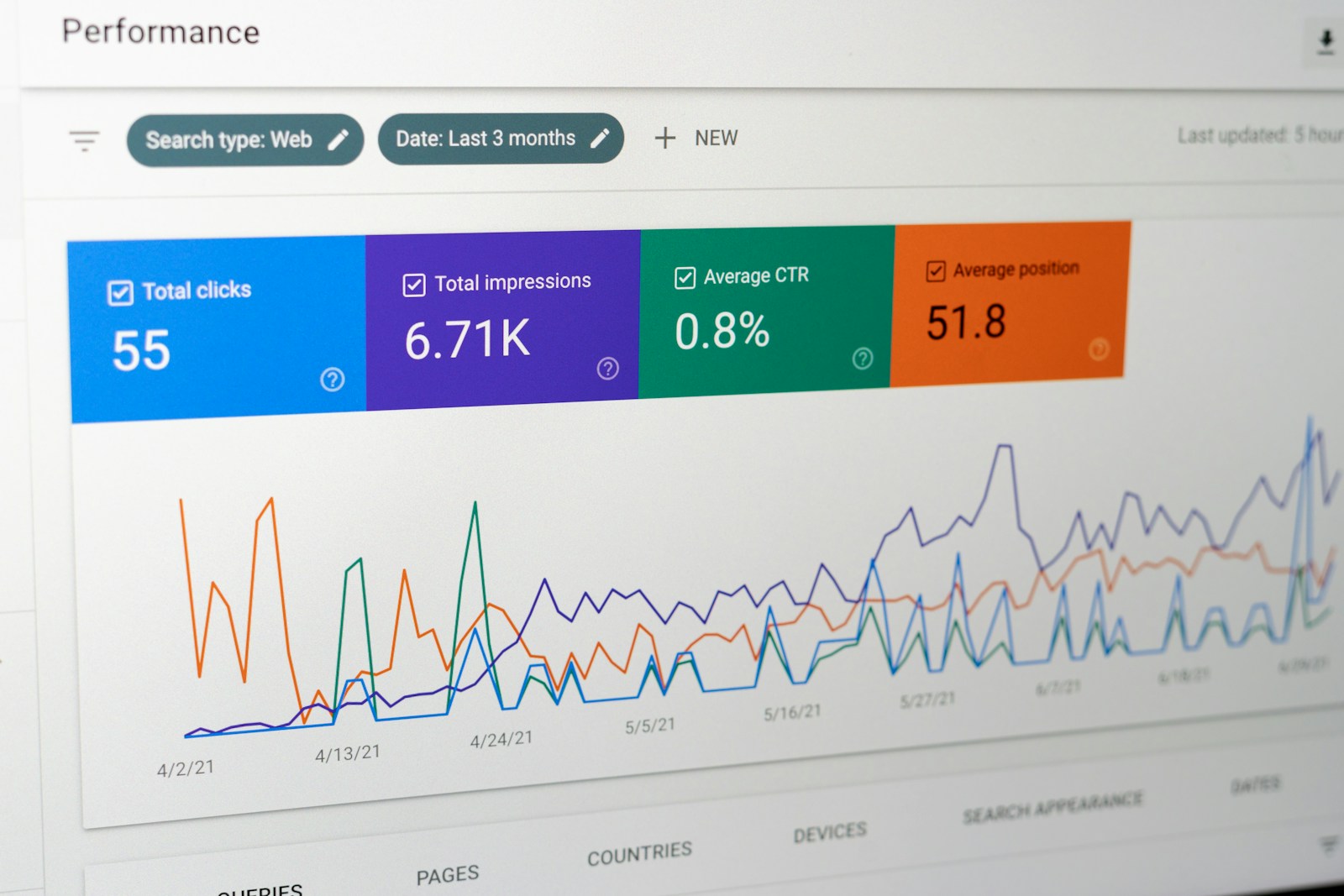
If you cannot make a page useful, combine it with a neighbouring area or remove it and redirect the address. Use Google Search Console to see which location pages earn impressions and clicks, and which sit unnoticed. Pages that never perform after a few months are candidates for a rewrite or a merge.

The Takeaway
If you cannot make a page useful, combine it with another. A handful of strong, specific pages will serve customers and search engines better than dozens of near copies. Plan your areas alongside your target terms, as in our keyword research guide. To plan location content that earns its place, speak to our SEO and growth marketing team.

In other news
(TT® — LDN, UK)
©2026 the think


FAQ
01
What does a project look like?
02
What are your payment terms?
03
How much does a project cost?
04
How long do projects typically take?
05
How do we measure success?
06
What do we need to get started?
07
Will we be able to manage the site ourselves?
08
Why choose The Think over hiring in-house?
Oct 8, 2026
Local SEO Service Pages: How to Avoid Thin Location Content
Marketing
Guides
Recent
The Question
How do you write local service pages that are genuinely useful and not thin?
The Approach
Give each location page something real to say
Location pages can help local businesses appear in the right searches, but only if each page offers something real for that area. Google warns against creating large numbers of near-duplicate pages aimed at different places, which its spam policies describe as doorway pages.
Only create pages you can support
A page for each town works if you genuinely serve those areas and have something to say about them. Avoid pages for places you have no connection with, or that you would not realistically travel to. Start with the three or four areas that bring you most work, and add others only when you have real material. A smaller set of strong pages beats a long list of weak ones.
Make every page distinct
Include local examples, relevant project details, team information and answers to local questions. Swapping the place name in identical copy adds no value. Think about what differs from one area to the next: the types of property or customer, local rules, travel times, typical issues and the work you have actually done nearby. Even a short, honest paragraph about a specific job is more useful than a generic claim.
Write for the person, not the crawler
Open with what you do and where, then explain how the service works in that area, who it suits and how to get in touch. Google's advice on creating helpful content applies in full: ask whether a visitor would feel they had learned something from the page. Our on-page SEO checklist lists the elements each location page should include.
Connect pages to services
Link each location page to your main service pages, and link back from those pages to the areas you cover. Add contact details that are easy to find, and a map or address only where it is accurate. Good linking, as described in our internal linking strategy guide, keeps these pages from becoming dead ends.
Add structure that search engines can read
Consistent business details help, and structured data can mark up your organisation and address. Make sure the name, address and phone number on the page match your Google Business Profile exactly, and link the right profile to the right page.
What to include on a location page
The services you offer in the area, described specifically
Examples of local work, with permission and real detail
Travel or coverage details, so visitors know you can help
Reviews or comments from local customers
Answers to questions specific to that area
When to combine or remove pages
If you cannot make a page useful, combine it with a neighbouring area or remove it and redirect the address. Use Google Search Console to see which location pages earn impressions and clicks, and which sit unnoticed. Pages that never perform after a few months are candidates for a rewrite or a merge.
The Takeaway
If you cannot make a page useful, combine it with another. A handful of strong, specific pages will serve customers and search engines better than dozens of near copies. Plan your areas alongside your target terms, as in our keyword research guide. To plan location content that earns its place, speak to our SEO and growth marketing team.
In other news
(TT® — LDN, UK)
©2026 the think
FAQ
01
What does a project look like?
02
What are your payment terms?
03
How much does a project cost?
04
How long do projects typically take?
05
How do we measure success?
06
What do we need to get started?
07
Will we be able to manage the site ourselves?
08
Why choose The Think over hiring in-house?
Oct 8, 2026
Local SEO Service Pages: How to Avoid Thin Location Content
Marketing
Guides
Recent
The Question
How do you write local service pages that are genuinely useful and not thin?
The Approach
Give each location page something real to say
Location pages can help local businesses appear in the right searches, but only if each page offers something real for that area. Google warns against creating large numbers of near-duplicate pages aimed at different places, which its spam policies describe as doorway pages.
Only create pages you can support
A page for each town works if you genuinely serve those areas and have something to say about them. Avoid pages for places you have no connection with, or that you would not realistically travel to. Start with the three or four areas that bring you most work, and add others only when you have real material. A smaller set of strong pages beats a long list of weak ones.
Make every page distinct
Include local examples, relevant project details, team information and answers to local questions. Swapping the place name in identical copy adds no value. Think about what differs from one area to the next: the types of property or customer, local rules, travel times, typical issues and the work you have actually done nearby. Even a short, honest paragraph about a specific job is more useful than a generic claim.
Write for the person, not the crawler
Open with what you do and where, then explain how the service works in that area, who it suits and how to get in touch. Google's advice on creating helpful content applies in full: ask whether a visitor would feel they had learned something from the page. Our on-page SEO checklist lists the elements each location page should include.
Connect pages to services
Link each location page to your main service pages, and link back from those pages to the areas you cover. Add contact details that are easy to find, and a map or address only where it is accurate. Good linking, as described in our internal linking strategy guide, keeps these pages from becoming dead ends.
Add structure that search engines can read
Consistent business details help, and structured data can mark up your organisation and address. Make sure the name, address and phone number on the page match your Google Business Profile exactly, and link the right profile to the right page.
What to include on a location page
The services you offer in the area, described specifically
Examples of local work, with permission and real detail
Travel or coverage details, so visitors know you can help
Reviews or comments from local customers
Answers to questions specific to that area
When to combine or remove pages
If you cannot make a page useful, combine it with a neighbouring area or remove it and redirect the address. Use Google Search Console to see which location pages earn impressions and clicks, and which sit unnoticed. Pages that never perform after a few months are candidates for a rewrite or a merge.
The Takeaway
If you cannot make a page useful, combine it with another. A handful of strong, specific pages will serve customers and search engines better than dozens of near copies. Plan your areas alongside your target terms, as in our keyword research guide. To plan location content that earns its place, speak to our SEO and growth marketing team.
FAQ
What does a project look like?
What are your payment terms?
How much does a project cost?
How long do projects typically take?
How do we measure success?
What do we need to get started?
Will we be able to manage the site ourselves?
Why choose The Think over hiring in-house?