Jan 26, 2026
The Gen Z Shift: How Crocs Took the World’s Ugliest Shoe and Made It Cool
Branding
Opinions
Recent
The Shift
Gen Z doesn’t do "ordinary." They have an internal radar for the inauthentic and a deep appreciation for brands that take a bold stand. To win them over, you can’t just change a logo; you have to change your entire philosophy. At The Think, we’ve analysed the moves that turned stagnant legacies into cultural icons. Here is how two brands stopped playing it safe and started being unforgettable.®

The Strategy
How Crocs Turned an “Ugly” Practical Shoe Into a Global Cultural Phenomenon
Not long ago, Crocs were the internet’s favourite punchline — functional, yes, but far from fashionable in the eyes of mainstream style. The foam clog was mocked, dismissed as ugly and something you wore only out of necessity, not by choice.
Fast forward to today, and Crocs have become everywhere: they’re spotted on runways, featured in social media trends, and worn by high-profile figures in pop culture. What changed wasn’t the product itself — it was the mindset behind the brand and how it connected with a new generation.
The Challenge: Escaping the “Uncool” Label
Crocs faced a classic branding dilemma: strong recognition but weak cultural relevance. Younger audiences, especially Gen Z, weren’t rejecting Crocs because they didn’t know them — they were rejecting them because Crocs embodied everything that felt outdated and uncool.
Rather than fixing the shoe or repositioning it as a premium fashion item, Crocs did something much riskier — and ultimately much smarter.
Leaning Into the Joke (Instead of Running From It)
Rather than shying away from criticism, Crocs leaned into the conversation. They embraced the “ugly-cute” aesthetic that Gen Z has a surprising affection for. In a cultural moment where irony, humour, and self-awareness matter more than polish, Crocs positioned themselves as confidently uncool — and proud of it.
It wasn’t about pretending to be sleek or fashionable; it was about leaning into authenticity. That honesty resonated deeply with younger consumers who prefer brands with personality over brands that try too hard to fit in.
Culture-First Collaborations
Crocs understood early on that Gen Z doesn’t respond to traditional celebrity endorsements — they respond to cultural signals. So they partnered with artists and influencers who already had cultural momentum. Collaborations with musicians like Post Malone and Justin Bieber helped position Crocs as a brand that spoke to identity and community, not just footwear.
These partnerships didn’t feel polished or aspirational in the classic sense — they felt playful, chaotic, and culturally fluent. The message shifted from “this is cool footwear” to “this is a space where you can be yourself.”
Personalisation as Self-Expression
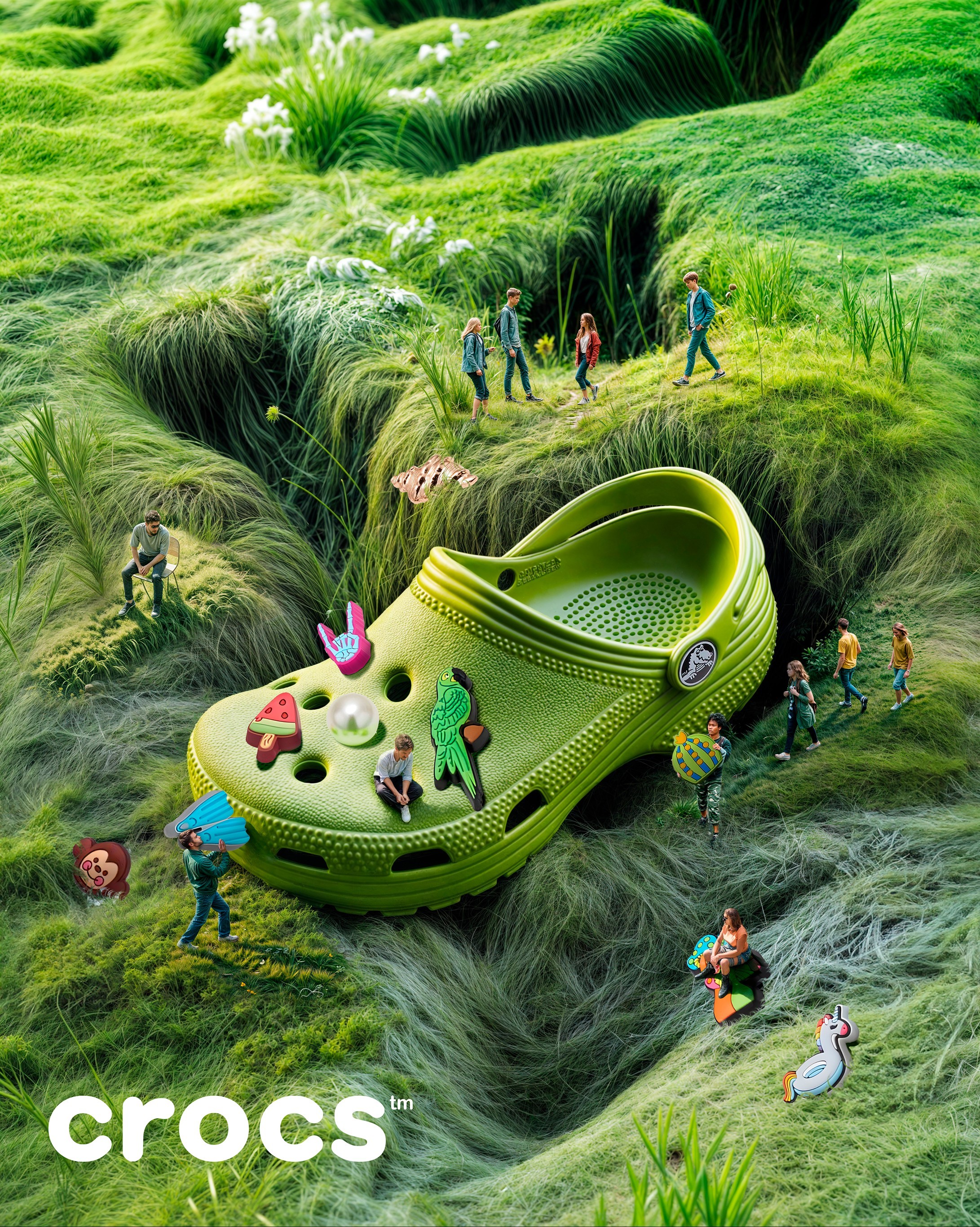
One of Crocs’ most strategic moves was doubling down on customisation through Jibbitz charms — small decorative pieces that clip into the shoe’s signature holes. A feature that could have been a novelty became central to Crocs’ identity.
For Gen Z, personalisation is not just a “nice-to-have” — it’s an expectation. Identity today is fluid, expressive, and visual. Multiple Jibbitz styles turned each pair of Crocs into a personal canvas for humour, fandom and self-expression.
Suddenly, no two Crocs pairs looked the same — and that uniqueness became part of the appeal.
A Brand Voice That Didn’t Take Itself Too Seriously
Equally powerful was Crocs’ tone. They adopted a playful, meme-savvy, self-aware voice across social platforms, particularly TikTok and Instagram, which are central to Gen Z culture.
Rather than speaking at their audience, Crocs learned to speak with them — using humour and cultural fluency to forge real connection. In an age where overly polished brand messaging often triggers scepticism, Crocs’ willingness to be a little ridiculous made them feel human — and therefore trustworthy.
Why It Worked
Gen Z doesn’t chase perfection — they value authenticity, humour, individuality, and comfort. By embracing what had once made them a joke, Crocs transformed perceived weakness into cultural strength.
The rebrand worked because Crocs wasn’t trying to please everyone. It was unapologetically itself — and that confidence was magnetic.
The Takeaway
Authentic difference beats trying to fit in.
Crocs didn’t win Gen Z by becoming “cool” in a traditional sense — they won by understanding culture, leaning into their truth, and giving people permission to do the same.
In a world full of brands trying to look alike, Crocs proved that standing out — even awkwardly — is often the strongest strategy of all.

The Outcome
Ultimately, Crocs’ transformation is a reminder that relevance isn’t about chasing trends — it’s about understanding culture. By embracing what made them different, speaking the language of a new generation, and giving people space to express themselves, Crocs turned ridicule into resonance. In doing so, they proved that the most powerful brands aren’t the ones that blend in, but the ones brave enough to be unmistakably themselves.

In other news
(TT® — LDN, UK)
©2026 the think


FAQ
01
What does a project look like?
02
What are your payment terms?
03
How much does a project cost?
04
How long do projects typically take?
05
How do we measure success?
06
What do we need to get started?
07
Will we be able to manage the site ourselves?
08
Why choose The Think over hiring in-house?
Jan 26, 2026
The Gen Z Shift: How Crocs Took the World’s Ugliest Shoe and Made It Cool
Branding
Opinions
Recent
The Shift
Gen Z doesn’t do "ordinary." They have an internal radar for the inauthentic and a deep appreciation for brands that take a bold stand. To win them over, you can’t just change a logo; you have to change your entire philosophy. At The Think, we’ve analysed the moves that turned stagnant legacies into cultural icons. Here is how two brands stopped playing it safe and started being unforgettable.®
The Strategy
How Crocs Turned an “Ugly” Practical Shoe Into a Global Cultural Phenomenon
Not long ago, Crocs were the internet’s favourite punchline — functional, yes, but far from fashionable in the eyes of mainstream style. The foam clog was mocked, dismissed as ugly and something you wore only out of necessity, not by choice.
Fast forward to today, and Crocs have become everywhere: they’re spotted on runways, featured in social media trends, and worn by high-profile figures in pop culture. What changed wasn’t the product itself — it was the mindset behind the brand and how it connected with a new generation.
The Challenge: Escaping the “Uncool” Label
Crocs faced a classic branding dilemma: strong recognition but weak cultural relevance. Younger audiences, especially Gen Z, weren’t rejecting Crocs because they didn’t know them — they were rejecting them because Crocs embodied everything that felt outdated and uncool.
Rather than fixing the shoe or repositioning it as a premium fashion item, Crocs did something much riskier — and ultimately much smarter.
Leaning Into the Joke (Instead of Running From It)
Rather than shying away from criticism, Crocs leaned into the conversation. They embraced the “ugly-cute” aesthetic that Gen Z has a surprising affection for. In a cultural moment where irony, humour, and self-awareness matter more than polish, Crocs positioned themselves as confidently uncool — and proud of it.
It wasn’t about pretending to be sleek or fashionable; it was about leaning into authenticity. That honesty resonated deeply with younger consumers who prefer brands with personality over brands that try too hard to fit in.
Culture-First Collaborations
Crocs understood early on that Gen Z doesn’t respond to traditional celebrity endorsements — they respond to cultural signals. So they partnered with artists and influencers who already had cultural momentum. Collaborations with musicians like Post Malone and Justin Bieber helped position Crocs as a brand that spoke to identity and community, not just footwear.
These partnerships didn’t feel polished or aspirational in the classic sense — they felt playful, chaotic, and culturally fluent. The message shifted from “this is cool footwear” to “this is a space where you can be yourself.”
Personalisation as Self-Expression
One of Crocs’ most strategic moves was doubling down on customisation through Jibbitz charms — small decorative pieces that clip into the shoe’s signature holes. A feature that could have been a novelty became central to Crocs’ identity.
For Gen Z, personalisation is not just a “nice-to-have” — it’s an expectation. Identity today is fluid, expressive, and visual. Multiple Jibbitz styles turned each pair of Crocs into a personal canvas for humour, fandom and self-expression.
Suddenly, no two Crocs pairs looked the same — and that uniqueness became part of the appeal.
A Brand Voice That Didn’t Take Itself Too Seriously
Equally powerful was Crocs’ tone. They adopted a playful, meme-savvy, self-aware voice across social platforms, particularly TikTok and Instagram, which are central to Gen Z culture.
Rather than speaking at their audience, Crocs learned to speak with them — using humour and cultural fluency to forge real connection. In an age where overly polished brand messaging often triggers scepticism, Crocs’ willingness to be a little ridiculous made them feel human — and therefore trustworthy.
Why It Worked
Gen Z doesn’t chase perfection — they value authenticity, humour, individuality, and comfort. By embracing what had once made them a joke, Crocs transformed perceived weakness into cultural strength.
The rebrand worked because Crocs wasn’t trying to please everyone. It was unapologetically itself — and that confidence was magnetic.
The Takeaway
Authentic difference beats trying to fit in.
Crocs didn’t win Gen Z by becoming “cool” in a traditional sense — they won by understanding culture, leaning into their truth, and giving people permission to do the same.
In a world full of brands trying to look alike, Crocs proved that standing out — even awkwardly — is often the strongest strategy of all.
The Outcome
Ultimately, Crocs’ transformation is a reminder that relevance isn’t about chasing trends — it’s about understanding culture. By embracing what made them different, speaking the language of a new generation, and giving people space to express themselves, Crocs turned ridicule into resonance. In doing so, they proved that the most powerful brands aren’t the ones that blend in, but the ones brave enough to be unmistakably themselves.
In other news
(TT® — LDN, UK)
©2026 the think
FAQ
01
What does a project look like?
02
What are your payment terms?
03
How much does a project cost?
04
How long do projects typically take?
05
How do we measure success?
06
What do we need to get started?
07
Will we be able to manage the site ourselves?
08
Why choose The Think over hiring in-house?
Jan 26, 2026
The Gen Z Shift: How Crocs Took the World’s Ugliest Shoe and Made It Cool
Branding
Opinions
Recent
The Shift
Gen Z doesn’t do "ordinary." They have an internal radar for the inauthentic and a deep appreciation for brands that take a bold stand. To win them over, you can’t just change a logo; you have to change your entire philosophy. At The Think, we’ve analysed the moves that turned stagnant legacies into cultural icons. Here is how two brands stopped playing it safe and started being unforgettable.®
The Strategy
How Crocs Turned an “Ugly” Practical Shoe Into a Global Cultural Phenomenon
Not long ago, Crocs were the internet’s favourite punchline — functional, yes, but far from fashionable in the eyes of mainstream style. The foam clog was mocked, dismissed as ugly and something you wore only out of necessity, not by choice.
Fast forward to today, and Crocs have become everywhere: they’re spotted on runways, featured in social media trends, and worn by high-profile figures in pop culture. What changed wasn’t the product itself — it was the mindset behind the brand and how it connected with a new generation.
The Challenge: Escaping the “Uncool” Label
Crocs faced a classic branding dilemma: strong recognition but weak cultural relevance. Younger audiences, especially Gen Z, weren’t rejecting Crocs because they didn’t know them — they were rejecting them because Crocs embodied everything that felt outdated and uncool.
Rather than fixing the shoe or repositioning it as a premium fashion item, Crocs did something much riskier — and ultimately much smarter.
Leaning Into the Joke (Instead of Running From It)
Rather than shying away from criticism, Crocs leaned into the conversation. They embraced the “ugly-cute” aesthetic that Gen Z has a surprising affection for. In a cultural moment where irony, humour, and self-awareness matter more than polish, Crocs positioned themselves as confidently uncool — and proud of it.
It wasn’t about pretending to be sleek or fashionable; it was about leaning into authenticity. That honesty resonated deeply with younger consumers who prefer brands with personality over brands that try too hard to fit in.
Culture-First Collaborations
Crocs understood early on that Gen Z doesn’t respond to traditional celebrity endorsements — they respond to cultural signals. So they partnered with artists and influencers who already had cultural momentum. Collaborations with musicians like Post Malone and Justin Bieber helped position Crocs as a brand that spoke to identity and community, not just footwear.
These partnerships didn’t feel polished or aspirational in the classic sense — they felt playful, chaotic, and culturally fluent. The message shifted from “this is cool footwear” to “this is a space where you can be yourself.”
Personalisation as Self-Expression
One of Crocs’ most strategic moves was doubling down on customisation through Jibbitz charms — small decorative pieces that clip into the shoe’s signature holes. A feature that could have been a novelty became central to Crocs’ identity.
For Gen Z, personalisation is not just a “nice-to-have” — it’s an expectation. Identity today is fluid, expressive, and visual. Multiple Jibbitz styles turned each pair of Crocs into a personal canvas for humour, fandom and self-expression.
Suddenly, no two Crocs pairs looked the same — and that uniqueness became part of the appeal.
A Brand Voice That Didn’t Take Itself Too Seriously
Equally powerful was Crocs’ tone. They adopted a playful, meme-savvy, self-aware voice across social platforms, particularly TikTok and Instagram, which are central to Gen Z culture.
Rather than speaking at their audience, Crocs learned to speak with them — using humour and cultural fluency to forge real connection. In an age where overly polished brand messaging often triggers scepticism, Crocs’ willingness to be a little ridiculous made them feel human — and therefore trustworthy.
Why It Worked
Gen Z doesn’t chase perfection — they value authenticity, humour, individuality, and comfort. By embracing what had once made them a joke, Crocs transformed perceived weakness into cultural strength.
The rebrand worked because Crocs wasn’t trying to please everyone. It was unapologetically itself — and that confidence was magnetic.
The Takeaway
Authentic difference beats trying to fit in.
Crocs didn’t win Gen Z by becoming “cool” in a traditional sense — they won by understanding culture, leaning into their truth, and giving people permission to do the same.
In a world full of brands trying to look alike, Crocs proved that standing out — even awkwardly — is often the strongest strategy of all.
The Outcome
Ultimately, Crocs’ transformation is a reminder that relevance isn’t about chasing trends — it’s about understanding culture. By embracing what made them different, speaking the language of a new generation, and giving people space to express themselves, Crocs turned ridicule into resonance. In doing so, they proved that the most powerful brands aren’t the ones that blend in, but the ones brave enough to be unmistakably themselves.
FAQ
What does a project look like?
What are your payment terms?
How much does a project cost?
How long do projects typically take?
How do we measure success?
What do we need to get started?
Will we be able to manage the site ourselves?
Why choose The Think over hiring in-house?