
Oct 8, 2026
Internal Linking Strategy: How to Connect Your Website Content
Marketing
Guides
Recent
The Question
How should you link the pages on your website together so visitors and search engines can follow?

The Approach
Link related pages with clear, honest anchor text
Internal links help visitors find related information and show search engines how your pages connect. Google discovers many pages by following links, which is why the Google SEO starter guide recommends making your site easy to navigate with sensible link text.
Link where it helps the reader
Add links to related services, guides and case studies from passages where the reader would naturally want more. A link should offer something they would genuinely want next, not simply push a page you want to rank. A guide on pricing, for instance, can point to the relevant service page at the moment the reader is thinking about hiring. Two or three well-placed links usually beat a dozen scattered ones.
Use descriptive anchor text
Write link text that explains the destination. "Our guide to on-page SEO for service pages" tells both a person and a search engine what to expect. Avoid vague phrases like "click here" or "read more", which also cause problems for screen reader users who navigate by a list of links. Vary your wording naturally, rather than repeating an identical phrase everywhere.
Build clear topic clusters
Choose a main page for each topic, usually a service page, and link supporting articles to it and to each other. Your keyword research guides this, and each page should have one clear job, as we discuss in keyword cannibalisation. When two pages overlap, links make it clear which one is the main page.
Check for orphan pages
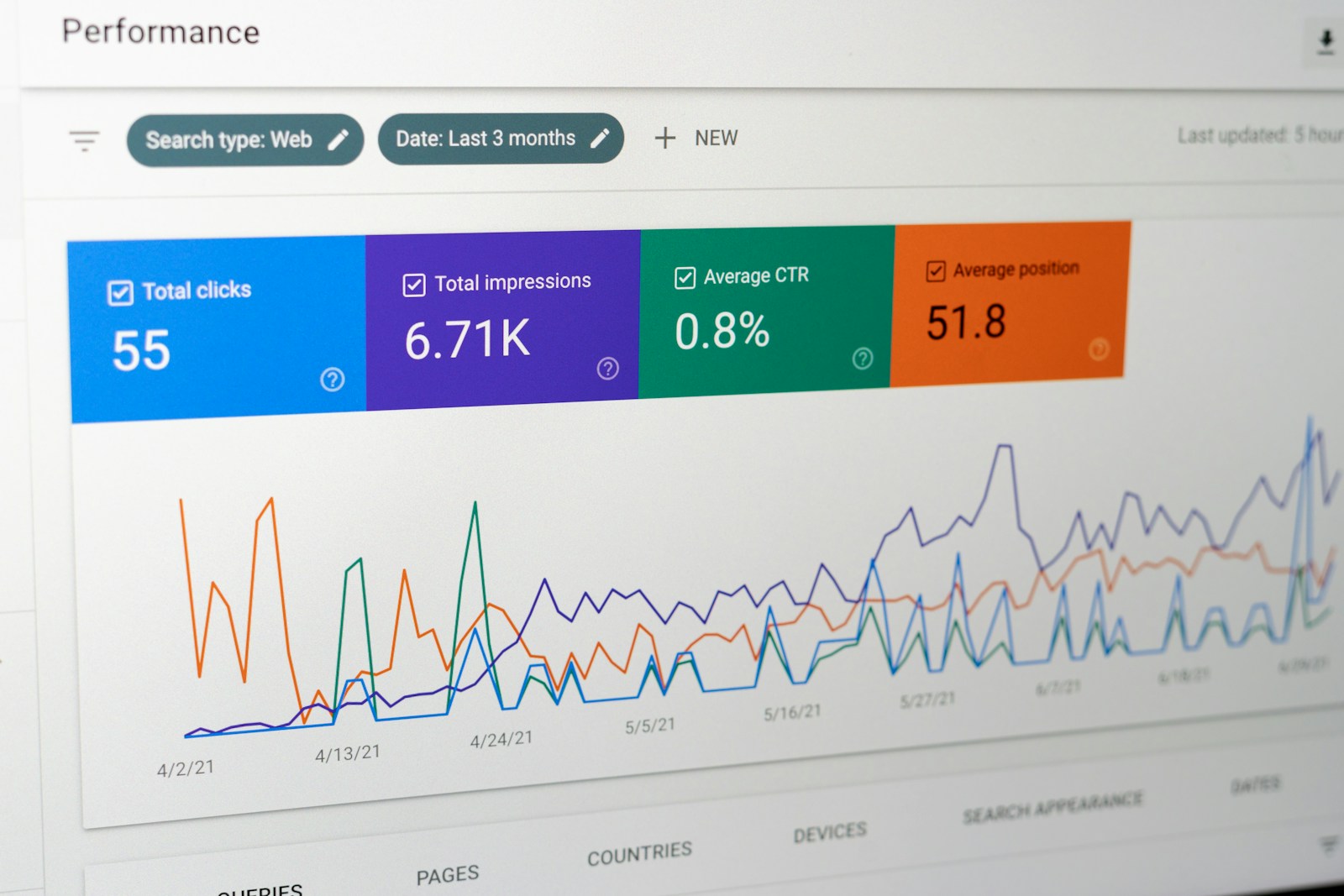
Pages with no internal links are hard to find for people and crawlers alike. Make sure important pages are reachable from navigation or related content. A crawling tool, or the page reports in Google Search Console, can help you spot pages that are indexed but poorly connected. A good sitemap helps discovery, but it is no substitute for links.
Keep navigation simple
Your menu is the most powerful set of internal links on the site. Keep it focused on the pages that matter most, and avoid burying services three clicks deep. We cover this in more detail in our guide to website navigation best practices.
Where to add internal links
From articles to the service pages they relate to
Between related guides that answer the next question
From case studies to the services they demonstrate
From service pages to supporting articles and frequently asked questions
In the footer for key pages such as contact and core services
Maintain links as the site grows
Each time you publish a new page, add links to it from at least two relevant existing pages, and link out from it to related content. When you retire or merge a page, update the links pointing to it and redirect the old address. Broken links frustrate visitors and waste the authority those pages had built.


The Takeaway
Review your links whenever you publish or retire a page, and make it a habit rather than a project. A connected site is easier to use and easier for search engines to understand. To strengthen how your content connects, speak to our SEO and growth marketing team.
In other news
(TT® — LDN, UK)
©2026 the think


FAQ
01
What does a project look like?
02
What are your payment terms?
03
How much does a project cost?
04
How long do projects typically take?
05
How do we measure success?
06
What do we need to get started?
07
Will we be able to manage the site ourselves?
08
Why choose The Think over hiring in-house?
Oct 8, 2026
Internal Linking Strategy: How to Connect Your Website Content
Marketing
Guides
Recent
The Question
How should you link the pages on your website together so visitors and search engines can follow?
The Approach
Link related pages with clear, honest anchor text
Internal links help visitors find related information and show search engines how your pages connect. Google discovers many pages by following links, which is why the Google SEO starter guide recommends making your site easy to navigate with sensible link text.
Link where it helps the reader
Add links to related services, guides and case studies from passages where the reader would naturally want more. A link should offer something they would genuinely want next, not simply push a page you want to rank. A guide on pricing, for instance, can point to the relevant service page at the moment the reader is thinking about hiring. Two or three well-placed links usually beat a dozen scattered ones.
Use descriptive anchor text
Write link text that explains the destination. "Our guide to on-page SEO for service pages" tells both a person and a search engine what to expect. Avoid vague phrases like "click here" or "read more", which also cause problems for screen reader users who navigate by a list of links. Vary your wording naturally, rather than repeating an identical phrase everywhere.
Build clear topic clusters
Choose a main page for each topic, usually a service page, and link supporting articles to it and to each other. Your keyword research guides this, and each page should have one clear job, as we discuss in keyword cannibalisation. When two pages overlap, links make it clear which one is the main page.
Check for orphan pages
Pages with no internal links are hard to find for people and crawlers alike. Make sure important pages are reachable from navigation or related content. A crawling tool, or the page reports in Google Search Console, can help you spot pages that are indexed but poorly connected. A good sitemap helps discovery, but it is no substitute for links.
Keep navigation simple
Your menu is the most powerful set of internal links on the site. Keep it focused on the pages that matter most, and avoid burying services three clicks deep. We cover this in more detail in our guide to website navigation best practices.
Where to add internal links
From articles to the service pages they relate to
Between related guides that answer the next question
From case studies to the services they demonstrate
From service pages to supporting articles and frequently asked questions
In the footer for key pages such as contact and core services
Maintain links as the site grows
Each time you publish a new page, add links to it from at least two relevant existing pages, and link out from it to related content. When you retire or merge a page, update the links pointing to it and redirect the old address. Broken links frustrate visitors and waste the authority those pages had built.
The Takeaway
Review your links whenever you publish or retire a page, and make it a habit rather than a project. A connected site is easier to use and easier for search engines to understand. To strengthen how your content connects, speak to our SEO and growth marketing team.
In other news
(TT® — LDN, UK)
©2026 the think
FAQ
01
What does a project look like?
02
What are your payment terms?
03
How much does a project cost?
04
How long do projects typically take?
05
How do we measure success?
06
What do we need to get started?
07
Will we be able to manage the site ourselves?
08
Why choose The Think over hiring in-house?
Oct 8, 2026
Internal Linking Strategy: How to Connect Your Website Content
Marketing
Guides
Recent
The Question
How should you link the pages on your website together so visitors and search engines can follow?
The Approach
Link related pages with clear, honest anchor text
Internal links help visitors find related information and show search engines how your pages connect. Google discovers many pages by following links, which is why the Google SEO starter guide recommends making your site easy to navigate with sensible link text.
Link where it helps the reader
Add links to related services, guides and case studies from passages where the reader would naturally want more. A link should offer something they would genuinely want next, not simply push a page you want to rank. A guide on pricing, for instance, can point to the relevant service page at the moment the reader is thinking about hiring. Two or three well-placed links usually beat a dozen scattered ones.
Use descriptive anchor text
Write link text that explains the destination. "Our guide to on-page SEO for service pages" tells both a person and a search engine what to expect. Avoid vague phrases like "click here" or "read more", which also cause problems for screen reader users who navigate by a list of links. Vary your wording naturally, rather than repeating an identical phrase everywhere.
Build clear topic clusters
Choose a main page for each topic, usually a service page, and link supporting articles to it and to each other. Your keyword research guides this, and each page should have one clear job, as we discuss in keyword cannibalisation. When two pages overlap, links make it clear which one is the main page.
Check for orphan pages
Pages with no internal links are hard to find for people and crawlers alike. Make sure important pages are reachable from navigation or related content. A crawling tool, or the page reports in Google Search Console, can help you spot pages that are indexed but poorly connected. A good sitemap helps discovery, but it is no substitute for links.
Keep navigation simple
Your menu is the most powerful set of internal links on the site. Keep it focused on the pages that matter most, and avoid burying services three clicks deep. We cover this in more detail in our guide to website navigation best practices.
Where to add internal links
From articles to the service pages they relate to
Between related guides that answer the next question
From case studies to the services they demonstrate
From service pages to supporting articles and frequently asked questions
In the footer for key pages such as contact and core services
Maintain links as the site grows
Each time you publish a new page, add links to it from at least two relevant existing pages, and link out from it to related content. When you retire or merge a page, update the links pointing to it and redirect the old address. Broken links frustrate visitors and waste the authority those pages had built.
The Takeaway
Review your links whenever you publish or retire a page, and make it a habit rather than a project. A connected site is easier to use and easier for search engines to understand. To strengthen how your content connects, speak to our SEO and growth marketing team.
FAQ
What does a project look like?
What are your payment terms?
How much does a project cost?
How long do projects typically take?
How do we measure success?
What do we need to get started?
Will we be able to manage the site ourselves?
Why choose The Think over hiring in-house?