
Oct 8, 2026
SEO Audit Checklist for Small Business Websites
Marketing
Guides
Recent
The Question
If your website is not bringing in enquiries from search, what should you check first, and in what order?

The Approach
Work through crawling, content and links in order
An audit works best when you follow the same order search engines do: first make sure pages can be found, then check they match what people search for, then assess the experience and authority around them. Fixing content on a page that is not indexed wastes effort, so start at the foundations.
Check that pages can be found and indexed
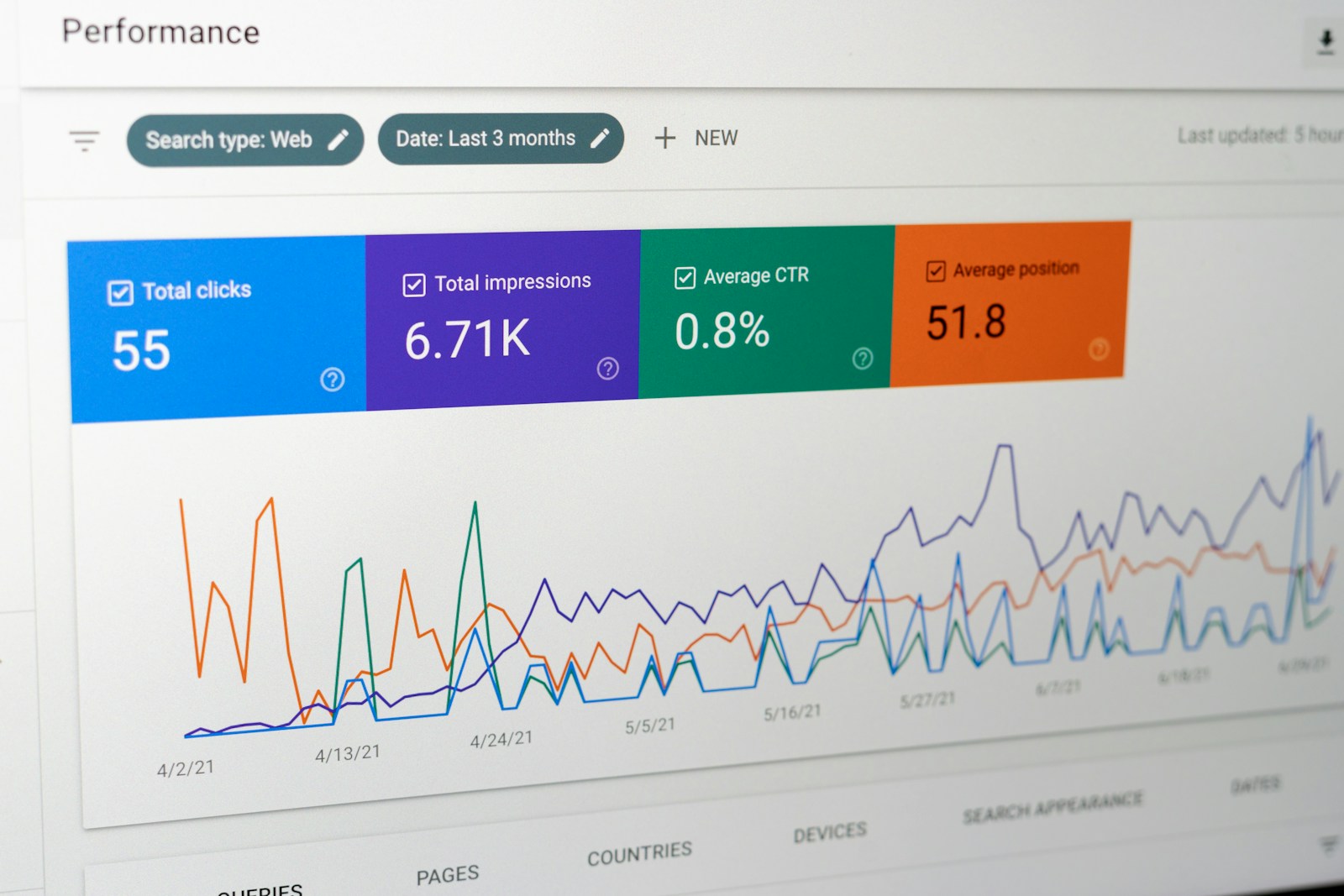
Set up Google Search Console if you have not already, and review the indexing report. Confirm that your important pages are indexed and not blocked by robots settings or stray noindex tags. Make sure there is an XML sitemap that lists only pages you want in search, following Google's sitemap guidance. Fix broken links, long redirect chains and old pages returning errors. Check that only one version of your domain, with or without www and with HTTPS, is live.
Review how pages match searches
For each key page, ask what search it should win and whether the content answers it. Review titles, headings and meta descriptions: titles should be unique, descriptive and written for people, as Google's title link guidance explains. Look for thin or duplicate pages, and for several pages competing for the same phrase, which our guide to keyword cannibalisation covers.
Assess speed and mobile experience
Test your most important pages on mobile with PageSpeed Insights. Look for oversized images, heavy scripts, layout shifts and awkward forms. Our explainer on Core Web Vitals helps you interpret the results. Then walk the path from search result to enquiry yourself and note every point of friction.
Check structure and internal links
Every important page should be reachable within a few clicks and linked from related pages with descriptive anchor text. Look for orphan pages with no internal links, and make sure your best content is connected to your service pages. Our guide to internal linking strategy shows how to fix gaps.
Look at authority and local signals
Note who links to you and whether those links are relevant. If you serve a local area, check your name, address and phone details are consistent everywhere. Avoid shortcuts such as buying links, which can breach Google's spam policies.
Record findings and prioritise
An audit is only useful if it ends in decisions. Record what you find in a simple sheet and rank each issue by impact and effort, so quick wins go first. If you are unsure whether to fix technical problems or improve content first, our article on technical SEO versus content SEO will help you decide.
Pages with the most traffic and enquiries
Pages that are not indexed
Duplicate or very similar pages
Issues ranked by impact and effort

The Takeaway
An audit is only useful if the findings are fixed and checked afterwards. Schedule the top five fixes, assign an owner to each and review the impact after a few weeks. For a prioritised plan for your site, speak to our SEO team.

In other news
(TT® — LDN, UK)
©2026 the think


FAQ
01
What does a project look like?
02
What are your payment terms?
03
How much does a project cost?
04
How long do projects typically take?
05
How do we measure success?
06
What do we need to get started?
07
Will we be able to manage the site ourselves?
08
Why choose The Think over hiring in-house?
Oct 8, 2026
SEO Audit Checklist for Small Business Websites
Marketing
Guides
Recent
The Question
If your website is not bringing in enquiries from search, what should you check first, and in what order?
The Approach
Work through crawling, content and links in order
An audit works best when you follow the same order search engines do: first make sure pages can be found, then check they match what people search for, then assess the experience and authority around them. Fixing content on a page that is not indexed wastes effort, so start at the foundations.
Check that pages can be found and indexed
Set up Google Search Console if you have not already, and review the indexing report. Confirm that your important pages are indexed and not blocked by robots settings or stray noindex tags. Make sure there is an XML sitemap that lists only pages you want in search, following Google's sitemap guidance. Fix broken links, long redirect chains and old pages returning errors. Check that only one version of your domain, with or without www and with HTTPS, is live.
Review how pages match searches
For each key page, ask what search it should win and whether the content answers it. Review titles, headings and meta descriptions: titles should be unique, descriptive and written for people, as Google's title link guidance explains. Look for thin or duplicate pages, and for several pages competing for the same phrase, which our guide to keyword cannibalisation covers.
Assess speed and mobile experience
Test your most important pages on mobile with PageSpeed Insights. Look for oversized images, heavy scripts, layout shifts and awkward forms. Our explainer on Core Web Vitals helps you interpret the results. Then walk the path from search result to enquiry yourself and note every point of friction.
Check structure and internal links
Every important page should be reachable within a few clicks and linked from related pages with descriptive anchor text. Look for orphan pages with no internal links, and make sure your best content is connected to your service pages. Our guide to internal linking strategy shows how to fix gaps.
Look at authority and local signals
Note who links to you and whether those links are relevant. If you serve a local area, check your name, address and phone details are consistent everywhere. Avoid shortcuts such as buying links, which can breach Google's spam policies.
Record findings and prioritise
An audit is only useful if it ends in decisions. Record what you find in a simple sheet and rank each issue by impact and effort, so quick wins go first. If you are unsure whether to fix technical problems or improve content first, our article on technical SEO versus content SEO will help you decide.
Pages with the most traffic and enquiries
Pages that are not indexed
Duplicate or very similar pages
Issues ranked by impact and effort
The Takeaway
An audit is only useful if the findings are fixed and checked afterwards. Schedule the top five fixes, assign an owner to each and review the impact after a few weeks. For a prioritised plan for your site, speak to our SEO team.
In other news
(TT® — LDN, UK)
©2026 the think
FAQ
01
What does a project look like?
02
What are your payment terms?
03
How much does a project cost?
04
How long do projects typically take?
05
How do we measure success?
06
What do we need to get started?
07
Will we be able to manage the site ourselves?
08
Why choose The Think over hiring in-house?
Oct 8, 2026
SEO Audit Checklist for Small Business Websites
Marketing
Guides
Recent
The Question
If your website is not bringing in enquiries from search, what should you check first, and in what order?
The Approach
Work through crawling, content and links in order
An audit works best when you follow the same order search engines do: first make sure pages can be found, then check they match what people search for, then assess the experience and authority around them. Fixing content on a page that is not indexed wastes effort, so start at the foundations.
Check that pages can be found and indexed
Set up Google Search Console if you have not already, and review the indexing report. Confirm that your important pages are indexed and not blocked by robots settings or stray noindex tags. Make sure there is an XML sitemap that lists only pages you want in search, following Google's sitemap guidance. Fix broken links, long redirect chains and old pages returning errors. Check that only one version of your domain, with or without www and with HTTPS, is live.
Review how pages match searches
For each key page, ask what search it should win and whether the content answers it. Review titles, headings and meta descriptions: titles should be unique, descriptive and written for people, as Google's title link guidance explains. Look for thin or duplicate pages, and for several pages competing for the same phrase, which our guide to keyword cannibalisation covers.
Assess speed and mobile experience
Test your most important pages on mobile with PageSpeed Insights. Look for oversized images, heavy scripts, layout shifts and awkward forms. Our explainer on Core Web Vitals helps you interpret the results. Then walk the path from search result to enquiry yourself and note every point of friction.
Check structure and internal links
Every important page should be reachable within a few clicks and linked from related pages with descriptive anchor text. Look for orphan pages with no internal links, and make sure your best content is connected to your service pages. Our guide to internal linking strategy shows how to fix gaps.
Look at authority and local signals
Note who links to you and whether those links are relevant. If you serve a local area, check your name, address and phone details are consistent everywhere. Avoid shortcuts such as buying links, which can breach Google's spam policies.
Record findings and prioritise
An audit is only useful if it ends in decisions. Record what you find in a simple sheet and rank each issue by impact and effort, so quick wins go first. If you are unsure whether to fix technical problems or improve content first, our article on technical SEO versus content SEO will help you decide.
Pages with the most traffic and enquiries
Pages that are not indexed
Duplicate or very similar pages
Issues ranked by impact and effort
The Takeaway
An audit is only useful if the findings are fixed and checked afterwards. Schedule the top five fixes, assign an owner to each and review the impact after a few weeks. For a prioritised plan for your site, speak to our SEO team.
FAQ
What does a project look like?
What are your payment terms?
How much does a project cost?
How long do projects typically take?
How do we measure success?
What do we need to get started?
Will we be able to manage the site ourselves?
Why choose The Think over hiring in-house?