
Oct 8, 2026
Local SEO for London Businesses: A Practical Checklist
Marketing
Guides
Recent
The Need
How does a London business show up when people search for a service nearby?

The Checklist
Be the clearest, most consistent local answer
Local results are driven by relevance, distance and prominence. You cannot move your office, but you can make your business the most relevant and best-trusted answer for the searches you care about. Work through the steps below in order.
1. Claim and complete your Google Business Profile
Claim your listing through the Google Business Profile Help centre, then choose the most accurate primary category. Add your services, opening hours, photos, a clear description and your service area if you travel to customers. Keep it updated for bank holidays and changes. Our full guide on how to optimise your Google Business Profile goes step by step.
2. Keep your name, address and phone consistent
Your business details should match exactly across your website, Google profile, social accounts and directory listings. In London, check for variations in building names, postcode formats and floor numbers, which cause surprisingly many mismatches. If you use a virtual office or shared space, make sure it is a genuine location where you operate, as Google can suspend profiles that misrepresent this.
3. Put your address and area on your website
Show your address in the footer or on your contact page, with an embedded map and opening hours. Add LocalBusiness structured data so search engines can connect your site to your location. Google's introduction to structured data explains the basics, and schema.org lists the vocabulary.
4. Create a focused page for each service
One strong page per service, with a clear heading, what is included, who it is for, pricing guidance and FAQs, gives Google something specific to rank for each search. If you serve several areas, avoid near-identical pages with only the borough swapped. Our guide to local SEO service pages and thin location content explains what to do instead, and the on-page SEO checklist covers titles, headings and copy.
5. Ask for reviews, consistently
Reviews influence both rankings and clicks. Ask every happy customer, ideally soon after the job, with a direct link to your review page. Reply to all reviews, positive and negative, in a calm and professional tone. Do not buy reviews or offer incentives that break platform rules.
6. Build genuine local signals
Relevant mentions from London business groups, trade bodies, sponsors, local press and partner websites help show prominence. Organisations such as the Federation of Small Businesses are examples of bodies where membership can add a credible reference. Focus on quality and relevance over volume, in line with Google's spam policies.
7. Make the site fast and mobile friendly
Many local searches happen on phones, often on the move. Make your phone number tappable, keep pages light and test regularly.
8. Track and refine
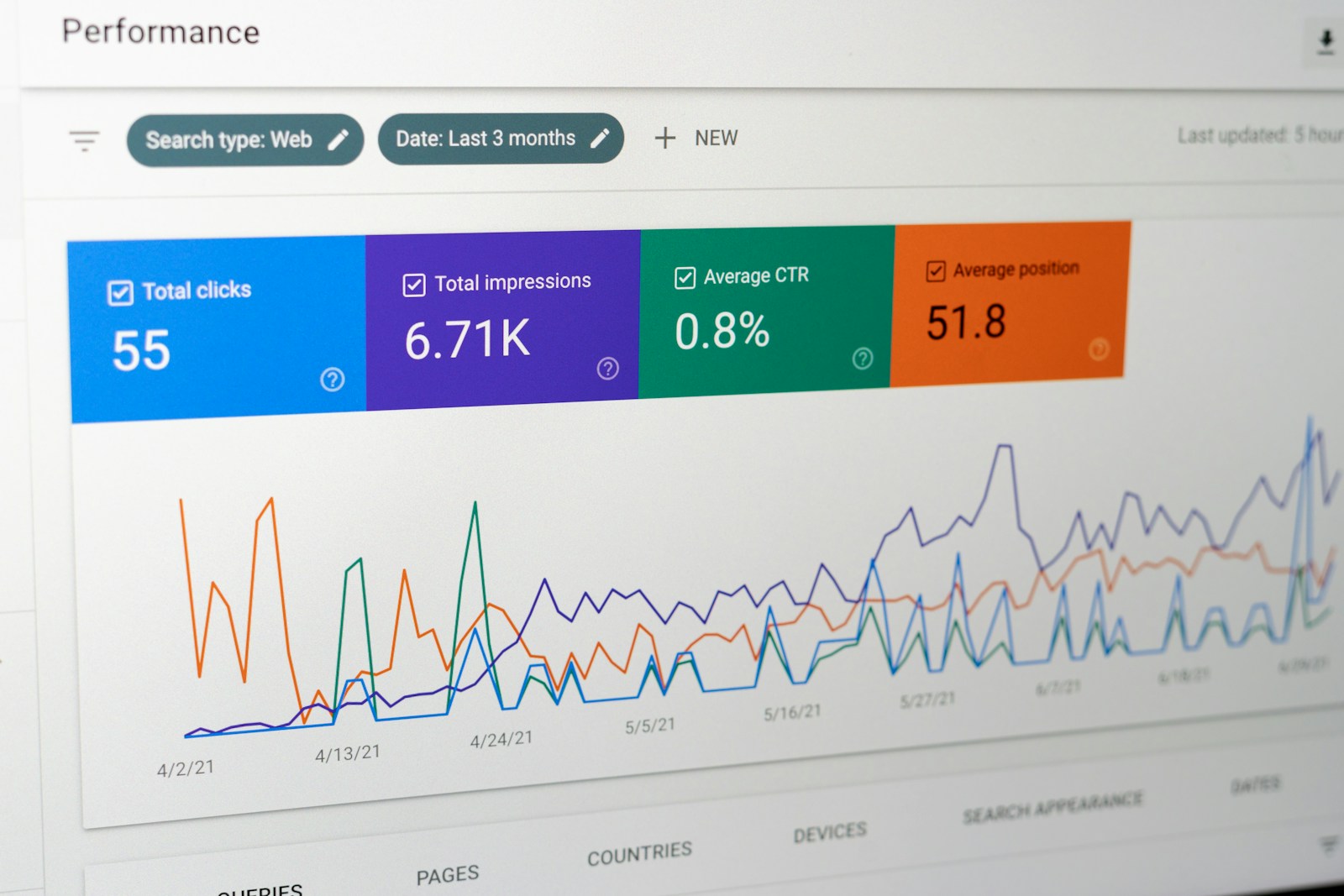
Use Google Search Console to see which searches bring impressions and clicks, and review the calls, direction requests and website clicks reported in your business profile. Expect progress over months rather than days; our guide on how long SEO takes to work explains typical timing.

The Takeaway
Local SEO rewards businesses that are accurate, active and genuinely useful to nearby customers. Get your profile right, keep your details consistent, build clear service pages and keep asking for reviews. If you would like help prioritising the work for your London business, see our SEO and growth marketing service.

In other news
(TT® — LDN, UK)
©2026 the think


FAQ
01
What does a project look like?
02
What are your payment terms?
03
How much does a project cost?
04
How long do projects typically take?
05
How do we measure success?
06
What do we need to get started?
07
Will we be able to manage the site ourselves?
08
Why choose The Think over hiring in-house?
Oct 8, 2026
Local SEO for London Businesses: A Practical Checklist
Marketing
Guides
Recent
The Need
How does a London business show up when people search for a service nearby?
The Checklist
Be the clearest, most consistent local answer
Local results are driven by relevance, distance and prominence. You cannot move your office, but you can make your business the most relevant and best-trusted answer for the searches you care about. Work through the steps below in order.
1. Claim and complete your Google Business Profile
Claim your listing through the Google Business Profile Help centre, then choose the most accurate primary category. Add your services, opening hours, photos, a clear description and your service area if you travel to customers. Keep it updated for bank holidays and changes. Our full guide on how to optimise your Google Business Profile goes step by step.
2. Keep your name, address and phone consistent
Your business details should match exactly across your website, Google profile, social accounts and directory listings. In London, check for variations in building names, postcode formats and floor numbers, which cause surprisingly many mismatches. If you use a virtual office or shared space, make sure it is a genuine location where you operate, as Google can suspend profiles that misrepresent this.
3. Put your address and area on your website
Show your address in the footer or on your contact page, with an embedded map and opening hours. Add LocalBusiness structured data so search engines can connect your site to your location. Google's introduction to structured data explains the basics, and schema.org lists the vocabulary.
4. Create a focused page for each service
One strong page per service, with a clear heading, what is included, who it is for, pricing guidance and FAQs, gives Google something specific to rank for each search. If you serve several areas, avoid near-identical pages with only the borough swapped. Our guide to local SEO service pages and thin location content explains what to do instead, and the on-page SEO checklist covers titles, headings and copy.
5. Ask for reviews, consistently
Reviews influence both rankings and clicks. Ask every happy customer, ideally soon after the job, with a direct link to your review page. Reply to all reviews, positive and negative, in a calm and professional tone. Do not buy reviews or offer incentives that break platform rules.
6. Build genuine local signals
Relevant mentions from London business groups, trade bodies, sponsors, local press and partner websites help show prominence. Organisations such as the Federation of Small Businesses are examples of bodies where membership can add a credible reference. Focus on quality and relevance over volume, in line with Google's spam policies.
7. Make the site fast and mobile friendly
Many local searches happen on phones, often on the move. Make your phone number tappable, keep pages light and test regularly.
8. Track and refine
Use Google Search Console to see which searches bring impressions and clicks, and review the calls, direction requests and website clicks reported in your business profile. Expect progress over months rather than days; our guide on how long SEO takes to work explains typical timing.
The Takeaway
Local SEO rewards businesses that are accurate, active and genuinely useful to nearby customers. Get your profile right, keep your details consistent, build clear service pages and keep asking for reviews. If you would like help prioritising the work for your London business, see our SEO and growth marketing service.
In other news
(TT® — LDN, UK)
©2026 the think
FAQ
01
What does a project look like?
02
What are your payment terms?
03
How much does a project cost?
04
How long do projects typically take?
05
How do we measure success?
06
What do we need to get started?
07
Will we be able to manage the site ourselves?
08
Why choose The Think over hiring in-house?
Oct 8, 2026
Local SEO for London Businesses: A Practical Checklist
Marketing
Guides
Recent
The Need
How does a London business show up when people search for a service nearby?
The Checklist
Be the clearest, most consistent local answer
Local results are driven by relevance, distance and prominence. You cannot move your office, but you can make your business the most relevant and best-trusted answer for the searches you care about. Work through the steps below in order.
1. Claim and complete your Google Business Profile
Claim your listing through the Google Business Profile Help centre, then choose the most accurate primary category. Add your services, opening hours, photos, a clear description and your service area if you travel to customers. Keep it updated for bank holidays and changes. Our full guide on how to optimise your Google Business Profile goes step by step.
2. Keep your name, address and phone consistent
Your business details should match exactly across your website, Google profile, social accounts and directory listings. In London, check for variations in building names, postcode formats and floor numbers, which cause surprisingly many mismatches. If you use a virtual office or shared space, make sure it is a genuine location where you operate, as Google can suspend profiles that misrepresent this.
3. Put your address and area on your website
Show your address in the footer or on your contact page, with an embedded map and opening hours. Add LocalBusiness structured data so search engines can connect your site to your location. Google's introduction to structured data explains the basics, and schema.org lists the vocabulary.
4. Create a focused page for each service
One strong page per service, with a clear heading, what is included, who it is for, pricing guidance and FAQs, gives Google something specific to rank for each search. If you serve several areas, avoid near-identical pages with only the borough swapped. Our guide to local SEO service pages and thin location content explains what to do instead, and the on-page SEO checklist covers titles, headings and copy.
5. Ask for reviews, consistently
Reviews influence both rankings and clicks. Ask every happy customer, ideally soon after the job, with a direct link to your review page. Reply to all reviews, positive and negative, in a calm and professional tone. Do not buy reviews or offer incentives that break platform rules.
6. Build genuine local signals
Relevant mentions from London business groups, trade bodies, sponsors, local press and partner websites help show prominence. Organisations such as the Federation of Small Businesses are examples of bodies where membership can add a credible reference. Focus on quality and relevance over volume, in line with Google's spam policies.
7. Make the site fast and mobile friendly
Many local searches happen on phones, often on the move. Make your phone number tappable, keep pages light and test regularly.
8. Track and refine
Use Google Search Console to see which searches bring impressions and clicks, and review the calls, direction requests and website clicks reported in your business profile. Expect progress over months rather than days; our guide on how long SEO takes to work explains typical timing.
The Takeaway
Local SEO rewards businesses that are accurate, active and genuinely useful to nearby customers. Get your profile right, keep your details consistent, build clear service pages and keep asking for reviews. If you would like help prioritising the work for your London business, see our SEO and growth marketing service.
FAQ
What does a project look like?
What are your payment terms?
How much does a project cost?
How long do projects typically take?
How do we measure success?
What do we need to get started?
Will we be able to manage the site ourselves?
Why choose The Think over hiring in-house?