
Oct 8, 2026
How to Earn Backlinks Without Buying Links
Marketing
Guides
Recent
The Question
How can a small business earn links from other websites without paying for them?

The Approach
Create things people have a reason to cite
A backlink is a link from another website to yours. Search engines treat links from relevant, trustworthy sites as a signal that your content is worth referencing. They are one factor among many, and a handful of good links is worth more than hundreds of weak ones. The key word is earned: a link you have to pay for or trick someone into giving is not the same thing.
Understand what makes a link valuable
Relevance matters more than raw numbers. A link from a respected trade publication in your sector says more about you than one from an unrelated directory. Look for sites your customers actually read, where a mention could also send you real visitors. If a link would be worth having even if search engines did not exist, it is probably a good one.
Create something worth linking to
People link to content that helps them make a point or save time. Ideas that tend to work for small businesses include:
Original data, such as a survey of your customers or an analysis of your own anonymised figures
Practical guides that are clearer and more complete than what already exists
Free tools, templates and calculators
Expert commentary on changes in your industry
Google's advice on creating helpful, people-first content applies directly: the more useful the page, the more reason others have to cite it.
Build relationships, not mass emails
Some of the best links come from people who already know you. Think about suppliers, partners, customers, local business groups, charities you support and industry bodies. Organisations such as the Federation of Small Businesses and trade associations often have member directories, news pages or case study sections where a genuine mention is appropriate.
When you contact journalists or bloggers, be specific. Explain what you can offer, why it suits their readers and keep it short. A generic message sent to hundreds of people is usually ignored, and can damage your reputation.
Look for natural opportunities
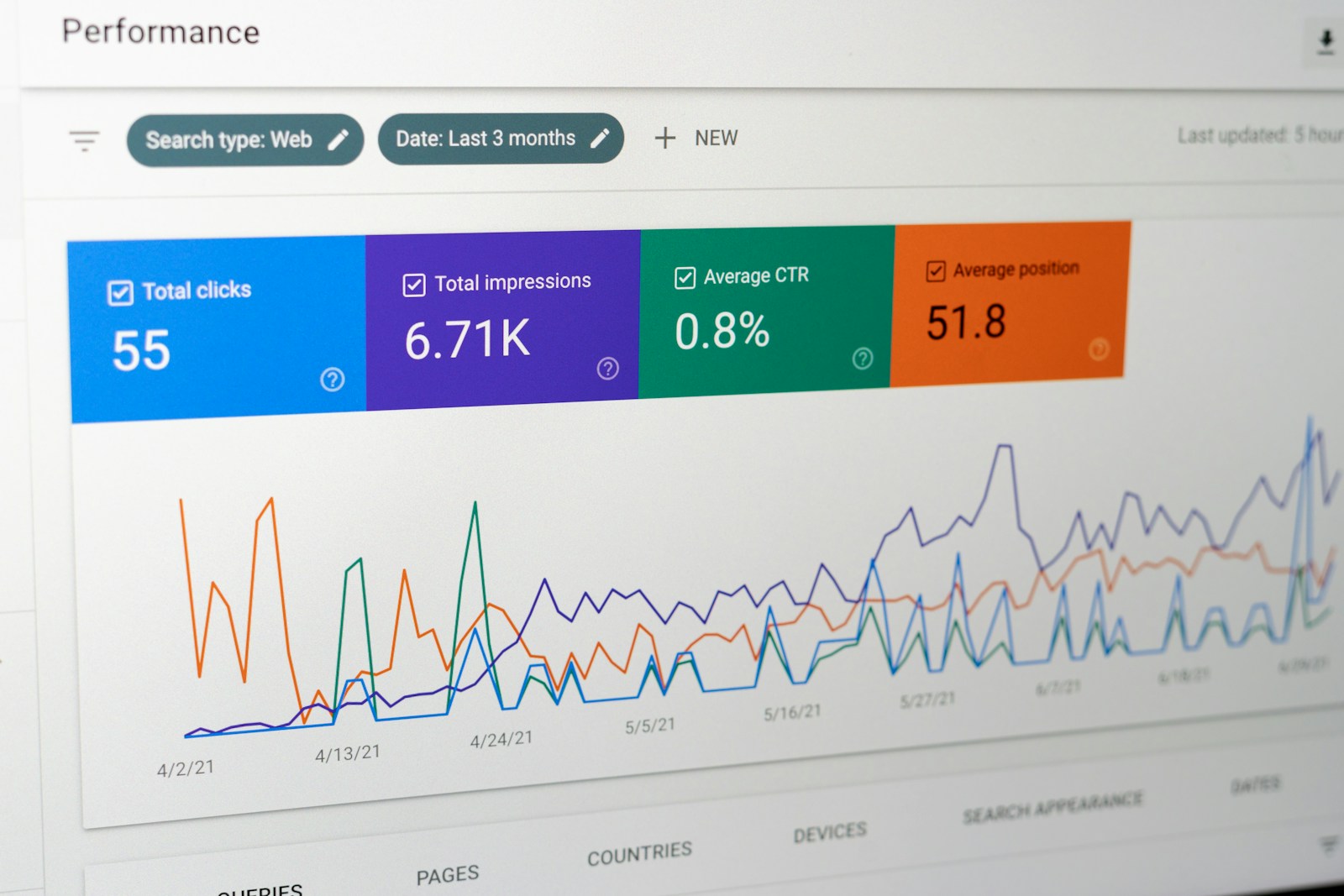
Check where your brand is already mentioned without a link, and politely ask for one. Offer expert comments when journalists request them. Speak at events, sponsor local activities and publish news about milestones. Document each new link so you can see what is working. Use Google Search Console to see which sites link to you and which pages attract them.
Avoid shortcuts that can backfire
Buying links, swapping them at scale or using networks built to manipulate rankings goes against Google's spam policies, and can lead to lost rankings or manual action. Be wary of anyone who guarantees a number of links or a position on page one. If an offer sounds too easy, it usually is. Cheap links also tend to come from sites that no real customer would visit.
Make your own site link-ready
Links are wasted if they land on a weak or confusing site. Make sure your key pages are clear, fast and credible, with visible contact details and an about page that shows who is behind the business. Then use internal links to pass that value to your service pages, as covered in our internal linking strategy guide. Finally, be patient. Link earning compounds slowly, and our guide to how long SEO takes to work explains why.


The Takeaway
Links are a result of being useful and visible, not a trick. Put your effort into one strong asset and a few genuine relationships rather than chasing volume, and track what comes back. If you would like help planning an ethical approach, speak to our SEO team.
In other news
(TT® — LDN, UK)
©2026 the think


FAQ
01
What does a project look like?
02
What are your payment terms?
03
How much does a project cost?
04
How long do projects typically take?
05
How do we measure success?
06
What do we need to get started?
07
Will we be able to manage the site ourselves?
08
Why choose The Think over hiring in-house?
Oct 8, 2026
How to Earn Backlinks Without Buying Links
Marketing
Guides
Recent
The Question
How can a small business earn links from other websites without paying for them?
The Approach
Create things people have a reason to cite
A backlink is a link from another website to yours. Search engines treat links from relevant, trustworthy sites as a signal that your content is worth referencing. They are one factor among many, and a handful of good links is worth more than hundreds of weak ones. The key word is earned: a link you have to pay for or trick someone into giving is not the same thing.
Understand what makes a link valuable
Relevance matters more than raw numbers. A link from a respected trade publication in your sector says more about you than one from an unrelated directory. Look for sites your customers actually read, where a mention could also send you real visitors. If a link would be worth having even if search engines did not exist, it is probably a good one.
Create something worth linking to
People link to content that helps them make a point or save time. Ideas that tend to work for small businesses include:
Original data, such as a survey of your customers or an analysis of your own anonymised figures
Practical guides that are clearer and more complete than what already exists
Free tools, templates and calculators
Expert commentary on changes in your industry
Google's advice on creating helpful, people-first content applies directly: the more useful the page, the more reason others have to cite it.
Build relationships, not mass emails
Some of the best links come from people who already know you. Think about suppliers, partners, customers, local business groups, charities you support and industry bodies. Organisations such as the Federation of Small Businesses and trade associations often have member directories, news pages or case study sections where a genuine mention is appropriate.
When you contact journalists or bloggers, be specific. Explain what you can offer, why it suits their readers and keep it short. A generic message sent to hundreds of people is usually ignored, and can damage your reputation.
Look for natural opportunities
Check where your brand is already mentioned without a link, and politely ask for one. Offer expert comments when journalists request them. Speak at events, sponsor local activities and publish news about milestones. Document each new link so you can see what is working. Use Google Search Console to see which sites link to you and which pages attract them.
Avoid shortcuts that can backfire
Buying links, swapping them at scale or using networks built to manipulate rankings goes against Google's spam policies, and can lead to lost rankings or manual action. Be wary of anyone who guarantees a number of links or a position on page one. If an offer sounds too easy, it usually is. Cheap links also tend to come from sites that no real customer would visit.
Make your own site link-ready
Links are wasted if they land on a weak or confusing site. Make sure your key pages are clear, fast and credible, with visible contact details and an about page that shows who is behind the business. Then use internal links to pass that value to your service pages, as covered in our internal linking strategy guide. Finally, be patient. Link earning compounds slowly, and our guide to how long SEO takes to work explains why.
The Takeaway
Links are a result of being useful and visible, not a trick. Put your effort into one strong asset and a few genuine relationships rather than chasing volume, and track what comes back. If you would like help planning an ethical approach, speak to our SEO team.
In other news
(TT® — LDN, UK)
©2026 the think
FAQ
01
What does a project look like?
02
What are your payment terms?
03
How much does a project cost?
04
How long do projects typically take?
05
How do we measure success?
06
What do we need to get started?
07
Will we be able to manage the site ourselves?
08
Why choose The Think over hiring in-house?
Oct 8, 2026
How to Earn Backlinks Without Buying Links
Marketing
Guides
Recent
The Question
How can a small business earn links from other websites without paying for them?
The Approach
Create things people have a reason to cite
A backlink is a link from another website to yours. Search engines treat links from relevant, trustworthy sites as a signal that your content is worth referencing. They are one factor among many, and a handful of good links is worth more than hundreds of weak ones. The key word is earned: a link you have to pay for or trick someone into giving is not the same thing.
Understand what makes a link valuable
Relevance matters more than raw numbers. A link from a respected trade publication in your sector says more about you than one from an unrelated directory. Look for sites your customers actually read, where a mention could also send you real visitors. If a link would be worth having even if search engines did not exist, it is probably a good one.
Create something worth linking to
People link to content that helps them make a point or save time. Ideas that tend to work for small businesses include:
Original data, such as a survey of your customers or an analysis of your own anonymised figures
Practical guides that are clearer and more complete than what already exists
Free tools, templates and calculators
Expert commentary on changes in your industry
Google's advice on creating helpful, people-first content applies directly: the more useful the page, the more reason others have to cite it.
Build relationships, not mass emails
Some of the best links come from people who already know you. Think about suppliers, partners, customers, local business groups, charities you support and industry bodies. Organisations such as the Federation of Small Businesses and trade associations often have member directories, news pages or case study sections where a genuine mention is appropriate.
When you contact journalists or bloggers, be specific. Explain what you can offer, why it suits their readers and keep it short. A generic message sent to hundreds of people is usually ignored, and can damage your reputation.
Look for natural opportunities
Check where your brand is already mentioned without a link, and politely ask for one. Offer expert comments when journalists request them. Speak at events, sponsor local activities and publish news about milestones. Document each new link so you can see what is working. Use Google Search Console to see which sites link to you and which pages attract them.
Avoid shortcuts that can backfire
Buying links, swapping them at scale or using networks built to manipulate rankings goes against Google's spam policies, and can lead to lost rankings or manual action. Be wary of anyone who guarantees a number of links or a position on page one. If an offer sounds too easy, it usually is. Cheap links also tend to come from sites that no real customer would visit.
Make your own site link-ready
Links are wasted if they land on a weak or confusing site. Make sure your key pages are clear, fast and credible, with visible contact details and an about page that shows who is behind the business. Then use internal links to pass that value to your service pages, as covered in our internal linking strategy guide. Finally, be patient. Link earning compounds slowly, and our guide to how long SEO takes to work explains why.
The Takeaway
Links are a result of being useful and visible, not a trick. Put your effort into one strong asset and a few genuine relationships rather than chasing volume, and track what comes back. If you would like help planning an ethical approach, speak to our SEO team.
FAQ
What does a project look like?
What are your payment terms?
How much does a project cost?
How long do projects typically take?
How do we measure success?
What do we need to get started?
Will we be able to manage the site ourselves?
Why choose The Think over hiring in-house?