Jan 27, 2026
How Walkers Took the Biggest Branding Step in Its History — and What It Means Today
Branding
News
Recent
The Shift
For nearly eight decades, Walkers has been a staple of British snack culture. Since its founding in Leicester in 1948, the crisp maker has built an identity rooted in familiarity, colourful packaging, and bold flavour names that every household recognises.
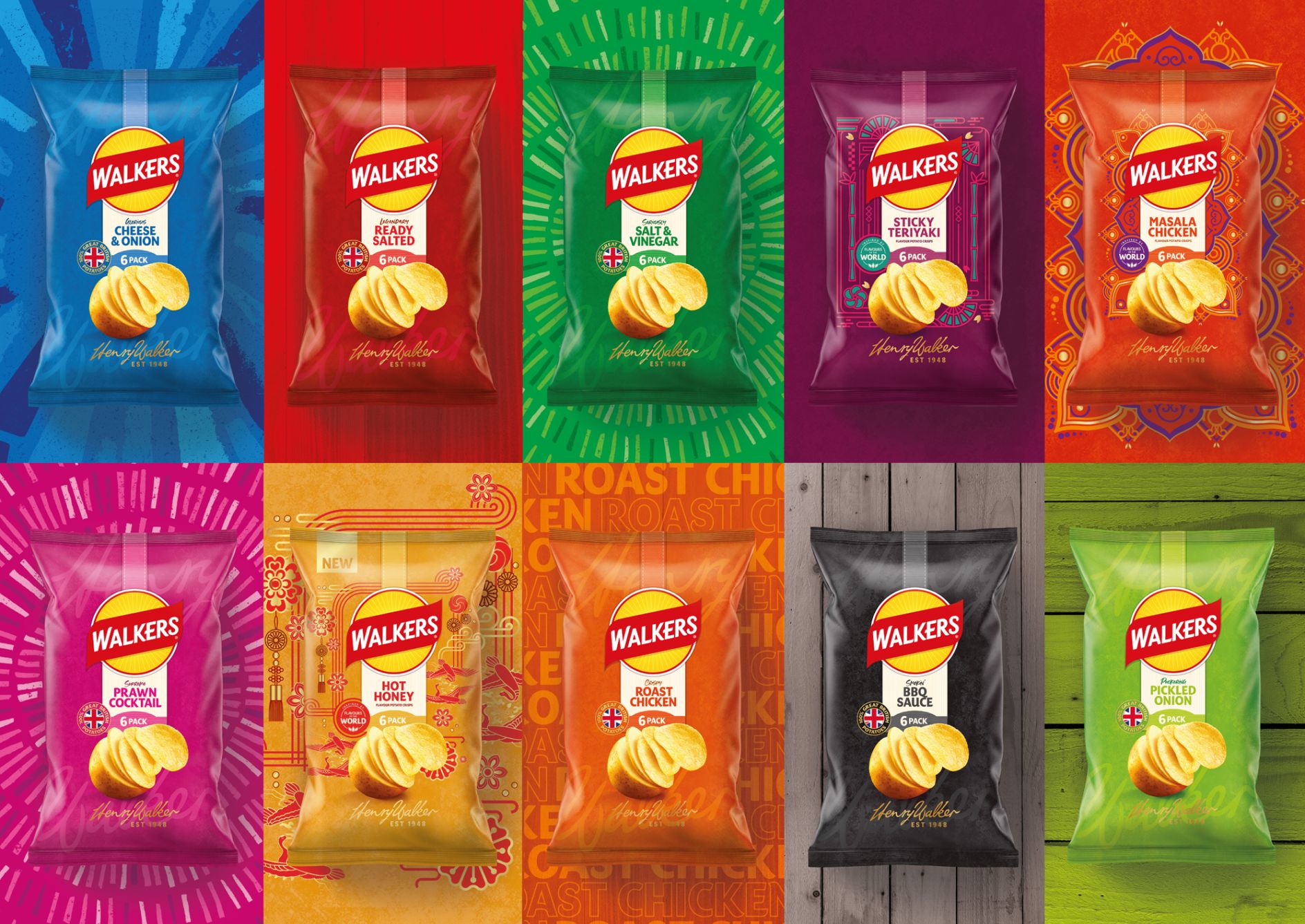
In early 2026, however, Walkers made a move almost unheard of for a brand so established: it unveiled the biggest rebrand in its history, including a major logo overhaul and refreshed packaging — signaling a new chapter in how it connects with consumers.®
The Strategy
A Defining Moment for an Iconic British Brand
The Challenge: Heritage Meets Modern Expectation
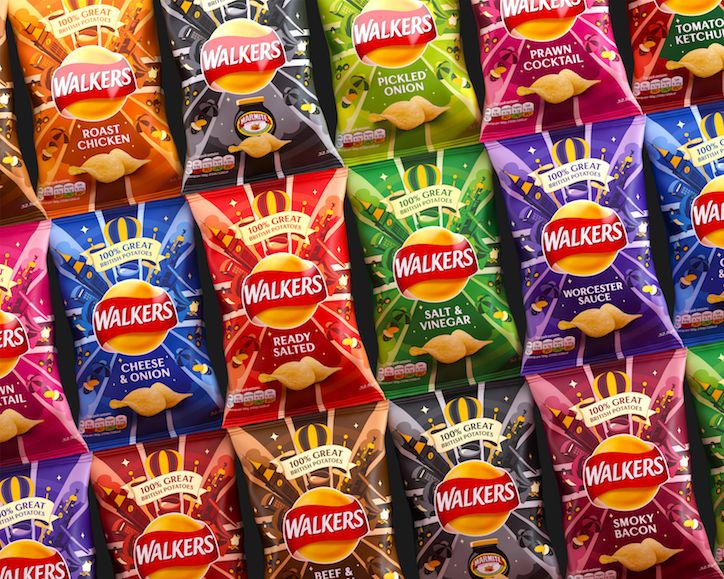
For decades, Walkers relied on visual cues that almost every Briton could identify instantly: the friendly lettering, the signature red and yellow colours, and a crisps-shaped emblem that felt as comforting and familiar as the flavours themselves.
But familiarity alone doesn’t guarantee relevance. With the snack aisle becoming increasingly crowded and consumers — especially younger shoppers — looking for both authenticity and innovation, Walkers faced the challenge of evolving without losing the trust it had built over generations.
A Sun-Inspired Logo and a Story of Quality
Walkers’ new identity puts a striking sun-inspired logo front and centre. The design replaces the traditional crisps graphic with radiant beams that signify warmth, optimism and growth — and explicitly reflects the farm-to-pack story that lies at the heart of the brand.
Each pack also now carries the signature of founder Henry Walker, a nod to heritage and quality that aligns provenance with future ambition. This isn’t just decoration — it’s a strategic move to fuse heritage and authenticity in a way that resonates with contemporary shoppers who care about origin and ingredient stories.
That kind of storytelling is increasingly important in modern brand building, especially in categories where product choice is wide and taste preferences rapidly evolve.
More Than a Logo — A Broader Repositioning
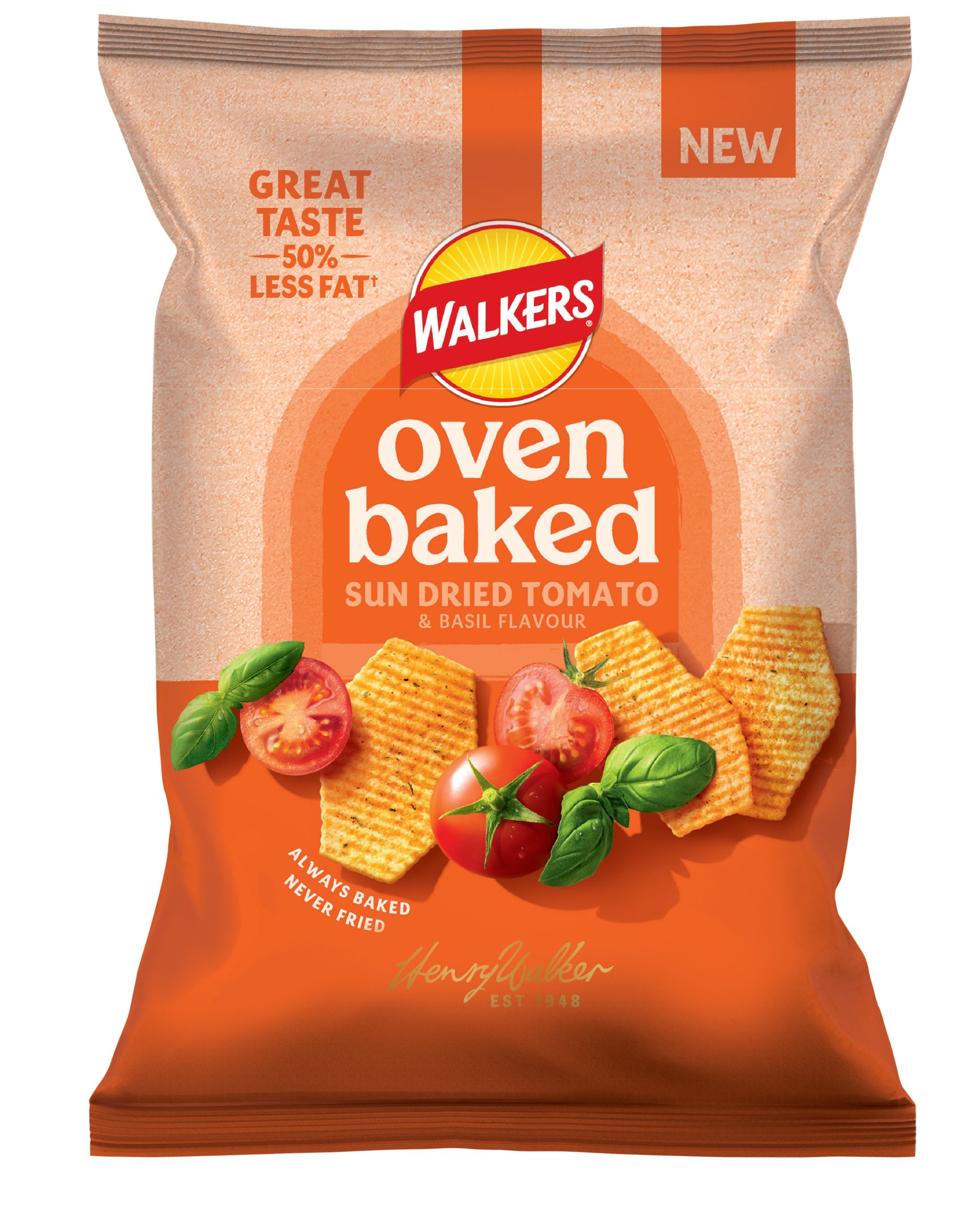
Alongside the visual refresh, Walkers introduced new product innovations and category expansions. One highlight is the launch of Walkers Hot Honey crisps, a flavour driven by global food trends that blends heat with sweet — a direction that appeal to adventurous palates and shows the brand isn’t stuck in tradition.
Walkers has also re-labelled parts of its range — for example, its 45 % Less Salt crisps will now be renamed and redesigned in line with the new visual identity — and is launching wider marketing support to reinforce the message that this isn’t a cosmetic tweak but a true brand evolution.
Creative Community Reaction: Authentic or Aesthetic?
Industry reaction has been nuanced. Some design experts praise Walkers for rejecting the minimalist trend in favour of a richer, more story-driven identity that honours provenance rather than smooth uniformity. They argue this kind of packaging, filled with cues and narrative density, can help tell a deeper brand story on crowded supermarket shelves.
Others question whether the redesign is strategic or mainly aesthetic — noting that visual updates must be backed up with meaningful product innovation and behaviour shifts if they are to truly redefine a brand’s positioning.
Why This Matters for Modern Branding
1. Heritage Isn’t Static — It Must Evolve
Walkers’ rethink shows that even the most beloved brands can’t rely on nostalgia alone. To stay connected with today’s consumers, heritage must be expressed in a way that feels relevant to contemporary values — like provenance, taste exploration, and quality commitment.
2. Identity Signals Intent
The sun motif isn’t just friendly imagery — it reflects themes of growth, optimism and natural ingredients, aligning with an audience increasingly attentive to origin and authenticity in everyday products.
3. Packaging Still Tells the Story
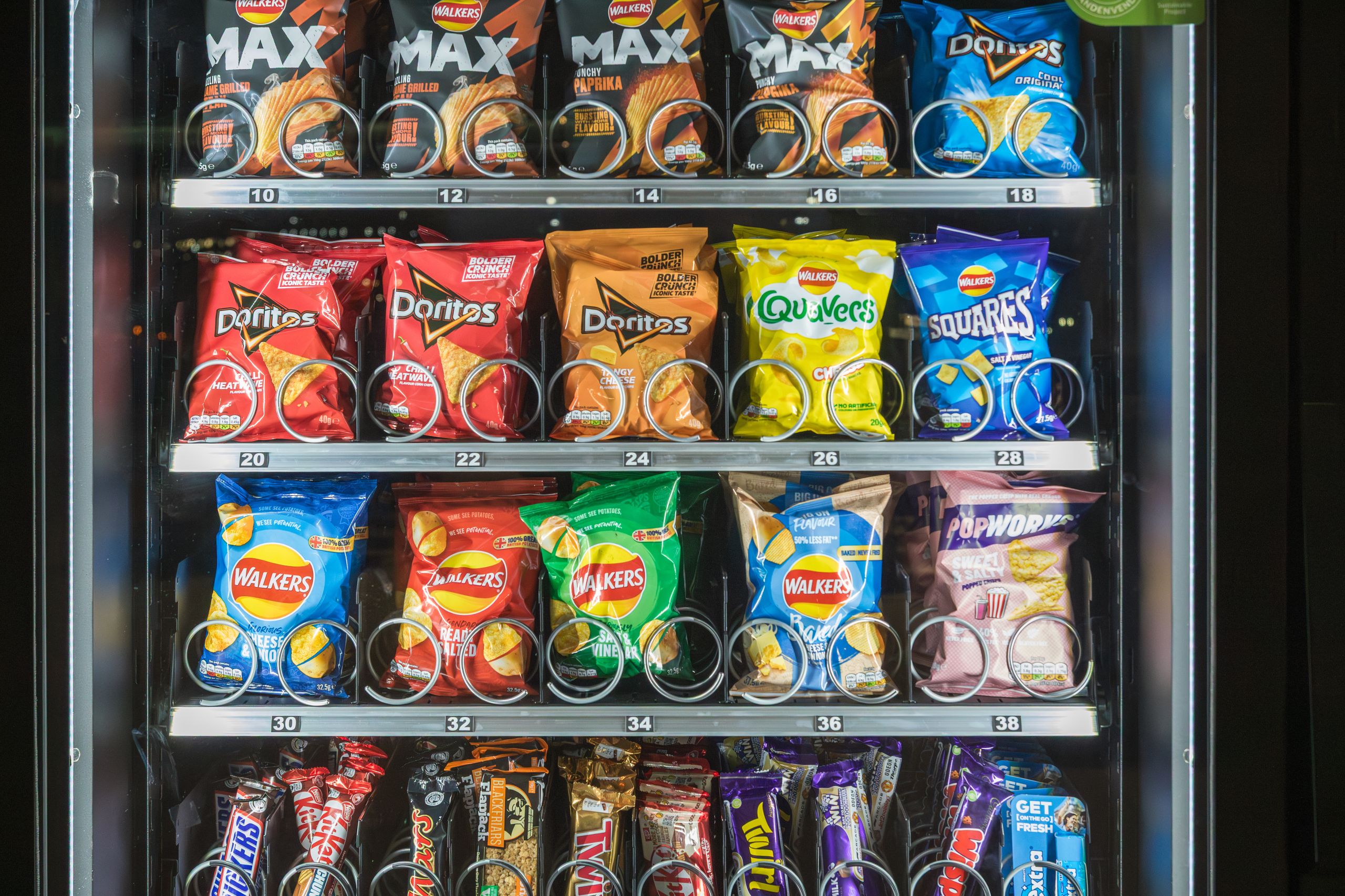
In a 5-second shelf glance, packaging must communicate more than flavour — it has to signal purpose, quality, and a reason to choose this product over alternatives. Walkers’ new design leans into that thinking, aiming to be more than visually pleasing.
Looking Forward
Walkers’ rebrand is a reminder that even the most familiar brands can benefit from bold evolution. Sometimes the biggest risk isn’t changing — it’s staying the same in a world where consumer expectations are constantly shifting. If Walkers’ refreshed look and renewed focus on story and quality resonate with shoppers, this may become a defining move in the brand’s long history.
The Outcome
Ultimately, Walkers’ rebrand shows that even the most familiar brands can’t rely on recognition alone. By evolving its identity while staying rooted in heritage, Walkers has signalled intent, confidence, and relevance in a fast-moving market. The real test will be consistency — but this moment proves that thoughtful evolution, not reinvention for its own sake, is often what keeps an iconic brand moving forward.®
In other news
(TT® — LDN, UK)
©2026 the think

FAQ
01
What does a project look like?
02
What are your payment terms?
03
How much does a project cost?
04
How long do projects typically take?
05
How do we measure success?
06
What do we need to get started?
07
Will we be able to manage the site ourselves?
08
Why choose The Think over hiring in-house?
Jan 27, 2026
How Walkers Took the Biggest Branding Step in Its History — and What It Means Today
Branding
News
Recent
The Shift
For nearly eight decades, Walkers has been a staple of British snack culture. Since its founding in Leicester in 1948, the crisp maker has built an identity rooted in familiarity, colourful packaging, and bold flavour names that every household recognises.
In early 2026, however, Walkers made a move almost unheard of for a brand so established: it unveiled the biggest rebrand in its history, including a major logo overhaul and refreshed packaging — signaling a new chapter in how it connects with consumers.®
The Strategy
A Defining Moment for an Iconic British Brand
The Challenge: Heritage Meets Modern Expectation
For decades, Walkers relied on visual cues that almost every Briton could identify instantly: the friendly lettering, the signature red and yellow colours, and a crisps-shaped emblem that felt as comforting and familiar as the flavours themselves.
But familiarity alone doesn’t guarantee relevance. With the snack aisle becoming increasingly crowded and consumers — especially younger shoppers — looking for both authenticity and innovation, Walkers faced the challenge of evolving without losing the trust it had built over generations.
A Sun-Inspired Logo and a Story of Quality
Walkers’ new identity puts a striking sun-inspired logo front and centre. The design replaces the traditional crisps graphic with radiant beams that signify warmth, optimism and growth — and explicitly reflects the farm-to-pack story that lies at the heart of the brand.
Each pack also now carries the signature of founder Henry Walker, a nod to heritage and quality that aligns provenance with future ambition. This isn’t just decoration — it’s a strategic move to fuse heritage and authenticity in a way that resonates with contemporary shoppers who care about origin and ingredient stories.
That kind of storytelling is increasingly important in modern brand building, especially in categories where product choice is wide and taste preferences rapidly evolve.
More Than a Logo — A Broader Repositioning
Alongside the visual refresh, Walkers introduced new product innovations and category expansions. One highlight is the launch of Walkers Hot Honey crisps, a flavour driven by global food trends that blends heat with sweet — a direction that appeal to adventurous palates and shows the brand isn’t stuck in tradition.
Walkers has also re-labelled parts of its range — for example, its 45 % Less Salt crisps will now be renamed and redesigned in line with the new visual identity — and is launching wider marketing support to reinforce the message that this isn’t a cosmetic tweak but a true brand evolution.
Creative Community Reaction: Authentic or Aesthetic?
Industry reaction has been nuanced. Some design experts praise Walkers for rejecting the minimalist trend in favour of a richer, more story-driven identity that honours provenance rather than smooth uniformity. They argue this kind of packaging, filled with cues and narrative density, can help tell a deeper brand story on crowded supermarket shelves.
Others question whether the redesign is strategic or mainly aesthetic — noting that visual updates must be backed up with meaningful product innovation and behaviour shifts if they are to truly redefine a brand’s positioning.
Why This Matters for Modern Branding
1. Heritage Isn’t Static — It Must Evolve
Walkers’ rethink shows that even the most beloved brands can’t rely on nostalgia alone. To stay connected with today’s consumers, heritage must be expressed in a way that feels relevant to contemporary values — like provenance, taste exploration, and quality commitment.
2. Identity Signals Intent
The sun motif isn’t just friendly imagery — it reflects themes of growth, optimism and natural ingredients, aligning with an audience increasingly attentive to origin and authenticity in everyday products.
3. Packaging Still Tells the Story
In a 5-second shelf glance, packaging must communicate more than flavour — it has to signal purpose, quality, and a reason to choose this product over alternatives. Walkers’ new design leans into that thinking, aiming to be more than visually pleasing.
Looking Forward
Walkers’ rebrand is a reminder that even the most familiar brands can benefit from bold evolution. Sometimes the biggest risk isn’t changing — it’s staying the same in a world where consumer expectations are constantly shifting. If Walkers’ refreshed look and renewed focus on story and quality resonate with shoppers, this may become a defining move in the brand’s long history.
The Outcome
Ultimately, Walkers’ rebrand shows that even the most familiar brands can’t rely on recognition alone. By evolving its identity while staying rooted in heritage, Walkers has signalled intent, confidence, and relevance in a fast-moving market. The real test will be consistency — but this moment proves that thoughtful evolution, not reinvention for its own sake, is often what keeps an iconic brand moving forward.®
In other news
(TT® — LDN, UK)
©2026 the think
FAQ
01
What does a project look like?
02
What are your payment terms?
03
How much does a project cost?
04
How long do projects typically take?
05
How do we measure success?
06
What do we need to get started?
07
Will we be able to manage the site ourselves?
08
Why choose The Think over hiring in-house?
Jan 27, 2026
How Walkers Took the Biggest Branding Step in Its History — and What It Means Today
Branding
News
Recent
The Shift
For nearly eight decades, Walkers has been a staple of British snack culture. Since its founding in Leicester in 1948, the crisp maker has built an identity rooted in familiarity, colourful packaging, and bold flavour names that every household recognises.
In early 2026, however, Walkers made a move almost unheard of for a brand so established: it unveiled the biggest rebrand in its history, including a major logo overhaul and refreshed packaging — signaling a new chapter in how it connects with consumers.®
The Strategy
A Defining Moment for an Iconic British Brand
The Challenge: Heritage Meets Modern Expectation
For decades, Walkers relied on visual cues that almost every Briton could identify instantly: the friendly lettering, the signature red and yellow colours, and a crisps-shaped emblem that felt as comforting and familiar as the flavours themselves.
But familiarity alone doesn’t guarantee relevance. With the snack aisle becoming increasingly crowded and consumers — especially younger shoppers — looking for both authenticity and innovation, Walkers faced the challenge of evolving without losing the trust it had built over generations.
A Sun-Inspired Logo and a Story of Quality
Walkers’ new identity puts a striking sun-inspired logo front and centre. The design replaces the traditional crisps graphic with radiant beams that signify warmth, optimism and growth — and explicitly reflects the farm-to-pack story that lies at the heart of the brand.
Each pack also now carries the signature of founder Henry Walker, a nod to heritage and quality that aligns provenance with future ambition. This isn’t just decoration — it’s a strategic move to fuse heritage and authenticity in a way that resonates with contemporary shoppers who care about origin and ingredient stories.
That kind of storytelling is increasingly important in modern brand building, especially in categories where product choice is wide and taste preferences rapidly evolve.
More Than a Logo — A Broader Repositioning
Alongside the visual refresh, Walkers introduced new product innovations and category expansions. One highlight is the launch of Walkers Hot Honey crisps, a flavour driven by global food trends that blends heat with sweet — a direction that appeal to adventurous palates and shows the brand isn’t stuck in tradition.
Walkers has also re-labelled parts of its range — for example, its 45 % Less Salt crisps will now be renamed and redesigned in line with the new visual identity — and is launching wider marketing support to reinforce the message that this isn’t a cosmetic tweak but a true brand evolution.
Creative Community Reaction: Authentic or Aesthetic?
Industry reaction has been nuanced. Some design experts praise Walkers for rejecting the minimalist trend in favour of a richer, more story-driven identity that honours provenance rather than smooth uniformity. They argue this kind of packaging, filled with cues and narrative density, can help tell a deeper brand story on crowded supermarket shelves.
Others question whether the redesign is strategic or mainly aesthetic — noting that visual updates must be backed up with meaningful product innovation and behaviour shifts if they are to truly redefine a brand’s positioning.
Why This Matters for Modern Branding
1. Heritage Isn’t Static — It Must Evolve
Walkers’ rethink shows that even the most beloved brands can’t rely on nostalgia alone. To stay connected with today’s consumers, heritage must be expressed in a way that feels relevant to contemporary values — like provenance, taste exploration, and quality commitment.
2. Identity Signals Intent
The sun motif isn’t just friendly imagery — it reflects themes of growth, optimism and natural ingredients, aligning with an audience increasingly attentive to origin and authenticity in everyday products.
3. Packaging Still Tells the Story
In a 5-second shelf glance, packaging must communicate more than flavour — it has to signal purpose, quality, and a reason to choose this product over alternatives. Walkers’ new design leans into that thinking, aiming to be more than visually pleasing.
Looking Forward
Walkers’ rebrand is a reminder that even the most familiar brands can benefit from bold evolution. Sometimes the biggest risk isn’t changing — it’s staying the same in a world where consumer expectations are constantly shifting. If Walkers’ refreshed look and renewed focus on story and quality resonate with shoppers, this may become a defining move in the brand’s long history.
The Outcome
Ultimately, Walkers’ rebrand shows that even the most familiar brands can’t rely on recognition alone. By evolving its identity while staying rooted in heritage, Walkers has signalled intent, confidence, and relevance in a fast-moving market. The real test will be consistency — but this moment proves that thoughtful evolution, not reinvention for its own sake, is often what keeps an iconic brand moving forward.®
FAQ
What does a project look like?
What are your payment terms?
How much does a project cost?
How long do projects typically take?
How do we measure success?
What do we need to get started?
Will we be able to manage the site ourselves?
Why choose The Think over hiring in-house?