
Oct 8, 2026
How to Build a Marketing Funnel for a Service Business
Marketing
Guides
Recent
The Question
What does a marketing funnel look like for a service business, and where are you losing people along the way?
The Approach
Map each step from first visit to enquiry
A funnel for a service business is really a path of growing trust. Each stage answers a question that stands between a stranger and a conversation. Buying a service is riskier than buying a product, because the customer cannot see the result in advance. Your job is to reduce that risk, one stage at a time.
Start with the outcome, not the channels
Before drawing any diagram, decide what a good lead is. That might be a call booked with a decision maker, or a quote request above a certain size. Write down who they are, what problem they have and what they usually ask before they hire. Every stage below should move that person closer to that action.
Awareness: be found when the problem appears
People rarely search for your company name first. They search for the problem, such as "how to reduce late payments" or "office cleaning contract checklist". Publish clear service pages and genuinely useful guides that answer those questions, following Google's advice on creating helpful content. Keep each page focused on one topic and one reader.
Search is not the only route. Referrals, a tidy Google Business Profile and sensible LinkedIn activity all feed this stage. Pick two channels you can sustain rather than five you cannot.
Consideration: prove you are credible
Once someone is interested, they compare. Give them what they need to do that:
Case studies that state the problem, what you did and what changed
A plain explanation of your process and timeline
Honest guidance on pricing, even if it is a range or a starting point
Named people, real photos and straightforward credentials
Avoid vague claims such as "tailored solutions". Specific detail is more persuasive than adjectives, and it filters out poor-fit enquiries before they cost you time.
Decision: make contact easy and low risk
The final step is where many funnels leak. Offer one clear call to action per page, a short form and a sentence explaining what happens next, for example "we reply within one working day and book a 20-minute call". Check the form on a phone, because most first visits happen there. Research from the Nielsen Norman Group consistently shows that long, unclear forms put people off, so ask only for what you need to respond.
Follow-up: the stage most firms skip
Not everyone is ready on the first visit. Capture those people with a useful resource or a short newsletter, then stay in touch. A modest email programme keeps you in mind until the timing is right. Make sure existing enquiries get a fast, personal reply too, since a slow response undoes a lot of good work earlier in the path.
Measure each stage
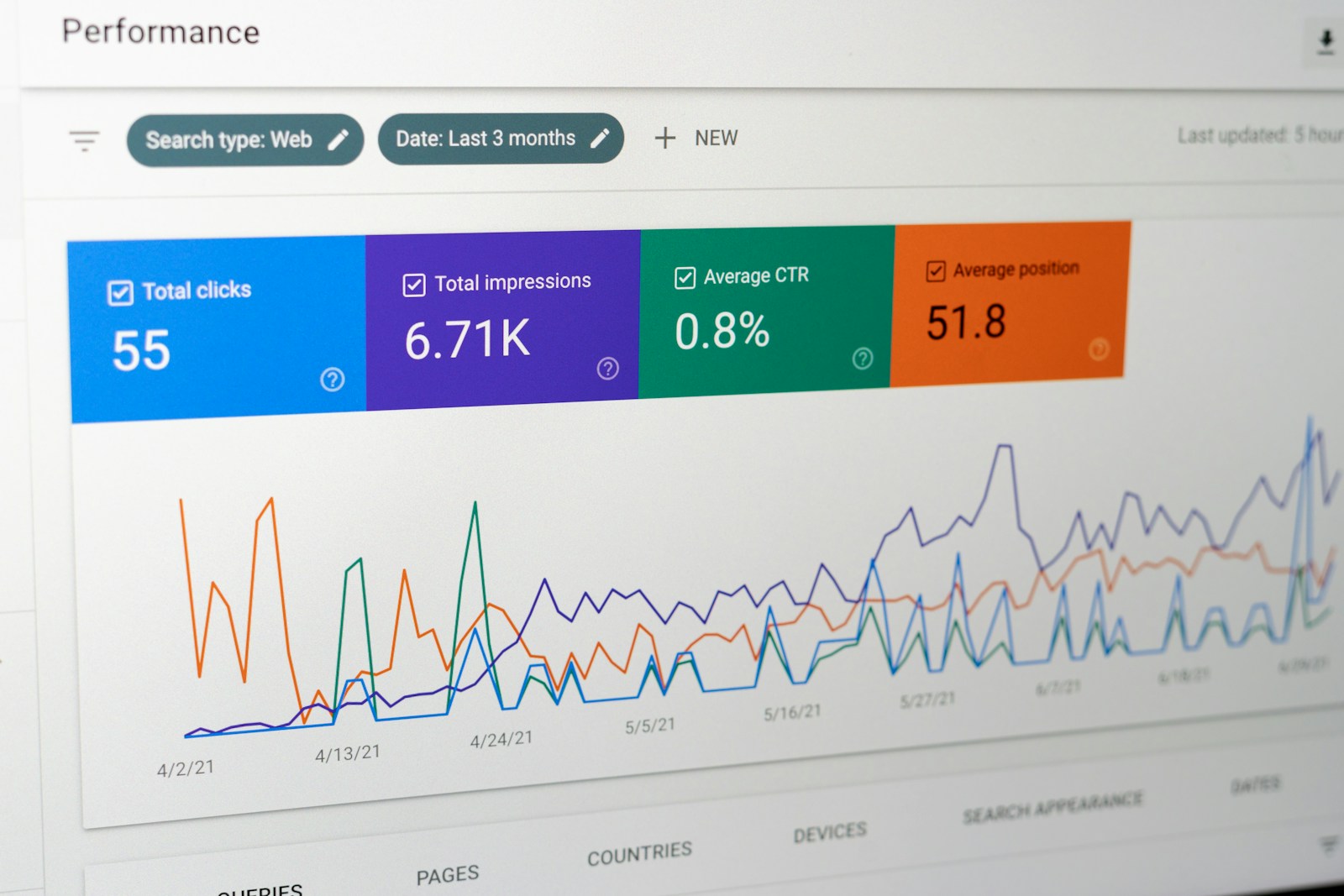
Set up conversion tracking in Google Analytics and review search visibility in Search Console. Track visits to key service pages, enquiry form completions, the share of enquiries that are a good fit and the number that become clients. Comparing these month to month shows which stage needs attention. For a deeper look at reading the numbers honestly, see our guide to measuring marketing ROI.
Common gaps that lose leads
Pages with no clear next step
Case studies without outcomes
Forms that are hard to use on mobile
Slow replies to enquiries
No way for undecided visitors to stay in touch
Fix the biggest gap first, give it a month, then look again. Small, steady improvements beat a rebuild of everything at once.


The Takeaway
A good funnel is not complicated. It is a few honest steps, each making it easier to say yes. Fix the weakest stage first, measure it and move on to the next. If you want help mapping the path from stranger to client for your own business, talk to our growth team.

In other news
(TT® — LDN, UK)
©2026 the think


FAQ
01
What does a project look like?
02
What are your payment terms?
03
How much does a project cost?
04
How long do projects typically take?
05
How do we measure success?
06
What do we need to get started?
07
Will we be able to manage the site ourselves?
08
Why choose The Think over hiring in-house?
Oct 8, 2026
How to Build a Marketing Funnel for a Service Business
Marketing
Guides
Recent
The Question
What does a marketing funnel look like for a service business, and where are you losing people along the way?
The Approach
Map each step from first visit to enquiry
A funnel for a service business is really a path of growing trust. Each stage answers a question that stands between a stranger and a conversation. Buying a service is riskier than buying a product, because the customer cannot see the result in advance. Your job is to reduce that risk, one stage at a time.
Start with the outcome, not the channels
Before drawing any diagram, decide what a good lead is. That might be a call booked with a decision maker, or a quote request above a certain size. Write down who they are, what problem they have and what they usually ask before they hire. Every stage below should move that person closer to that action.
Awareness: be found when the problem appears
People rarely search for your company name first. They search for the problem, such as "how to reduce late payments" or "office cleaning contract checklist". Publish clear service pages and genuinely useful guides that answer those questions, following Google's advice on creating helpful content. Keep each page focused on one topic and one reader.
Search is not the only route. Referrals, a tidy Google Business Profile and sensible LinkedIn activity all feed this stage. Pick two channels you can sustain rather than five you cannot.
Consideration: prove you are credible
Once someone is interested, they compare. Give them what they need to do that:
Case studies that state the problem, what you did and what changed
A plain explanation of your process and timeline
Honest guidance on pricing, even if it is a range or a starting point
Named people, real photos and straightforward credentials
Avoid vague claims such as "tailored solutions". Specific detail is more persuasive than adjectives, and it filters out poor-fit enquiries before they cost you time.
Decision: make contact easy and low risk
The final step is where many funnels leak. Offer one clear call to action per page, a short form and a sentence explaining what happens next, for example "we reply within one working day and book a 20-minute call". Check the form on a phone, because most first visits happen there. Research from the Nielsen Norman Group consistently shows that long, unclear forms put people off, so ask only for what you need to respond.
Follow-up: the stage most firms skip
Not everyone is ready on the first visit. Capture those people with a useful resource or a short newsletter, then stay in touch. A modest email programme keeps you in mind until the timing is right. Make sure existing enquiries get a fast, personal reply too, since a slow response undoes a lot of good work earlier in the path.
Measure each stage
Set up conversion tracking in Google Analytics and review search visibility in Search Console. Track visits to key service pages, enquiry form completions, the share of enquiries that are a good fit and the number that become clients. Comparing these month to month shows which stage needs attention. For a deeper look at reading the numbers honestly, see our guide to measuring marketing ROI.
Common gaps that lose leads
Pages with no clear next step
Case studies without outcomes
Forms that are hard to use on mobile
Slow replies to enquiries
No way for undecided visitors to stay in touch
Fix the biggest gap first, give it a month, then look again. Small, steady improvements beat a rebuild of everything at once.
The Takeaway
A good funnel is not complicated. It is a few honest steps, each making it easier to say yes. Fix the weakest stage first, measure it and move on to the next. If you want help mapping the path from stranger to client for your own business, talk to our growth team.
In other news
(TT® — LDN, UK)
©2026 the think
FAQ
01
What does a project look like?
02
What are your payment terms?
03
How much does a project cost?
04
How long do projects typically take?
05
How do we measure success?
06
What do we need to get started?
07
Will we be able to manage the site ourselves?
08
Why choose The Think over hiring in-house?
Oct 8, 2026
How to Build a Marketing Funnel for a Service Business
Marketing
Guides
Recent
The Question
What does a marketing funnel look like for a service business, and where are you losing people along the way?
The Approach
Map each step from first visit to enquiry
A funnel for a service business is really a path of growing trust. Each stage answers a question that stands between a stranger and a conversation. Buying a service is riskier than buying a product, because the customer cannot see the result in advance. Your job is to reduce that risk, one stage at a time.
Start with the outcome, not the channels
Before drawing any diagram, decide what a good lead is. That might be a call booked with a decision maker, or a quote request above a certain size. Write down who they are, what problem they have and what they usually ask before they hire. Every stage below should move that person closer to that action.
Awareness: be found when the problem appears
People rarely search for your company name first. They search for the problem, such as "how to reduce late payments" or "office cleaning contract checklist". Publish clear service pages and genuinely useful guides that answer those questions, following Google's advice on creating helpful content. Keep each page focused on one topic and one reader.
Search is not the only route. Referrals, a tidy Google Business Profile and sensible LinkedIn activity all feed this stage. Pick two channels you can sustain rather than five you cannot.
Consideration: prove you are credible
Once someone is interested, they compare. Give them what they need to do that:
Case studies that state the problem, what you did and what changed
A plain explanation of your process and timeline
Honest guidance on pricing, even if it is a range or a starting point
Named people, real photos and straightforward credentials
Avoid vague claims such as "tailored solutions". Specific detail is more persuasive than adjectives, and it filters out poor-fit enquiries before they cost you time.
Decision: make contact easy and low risk
The final step is where many funnels leak. Offer one clear call to action per page, a short form and a sentence explaining what happens next, for example "we reply within one working day and book a 20-minute call". Check the form on a phone, because most first visits happen there. Research from the Nielsen Norman Group consistently shows that long, unclear forms put people off, so ask only for what you need to respond.
Follow-up: the stage most firms skip
Not everyone is ready on the first visit. Capture those people with a useful resource or a short newsletter, then stay in touch. A modest email programme keeps you in mind until the timing is right. Make sure existing enquiries get a fast, personal reply too, since a slow response undoes a lot of good work earlier in the path.
Measure each stage
Set up conversion tracking in Google Analytics and review search visibility in Search Console. Track visits to key service pages, enquiry form completions, the share of enquiries that are a good fit and the number that become clients. Comparing these month to month shows which stage needs attention. For a deeper look at reading the numbers honestly, see our guide to measuring marketing ROI.
Common gaps that lose leads
Pages with no clear next step
Case studies without outcomes
Forms that are hard to use on mobile
Slow replies to enquiries
No way for undecided visitors to stay in touch
Fix the biggest gap first, give it a month, then look again. Small, steady improvements beat a rebuild of everything at once.
The Takeaway
A good funnel is not complicated. It is a few honest steps, each making it easier to say yes. Fix the weakest stage first, measure it and move on to the next. If you want help mapping the path from stranger to client for your own business, talk to our growth team.
FAQ
What does a project look like?
What are your payment terms?
How much does a project cost?
How long do projects typically take?
How do we measure success?
What do we need to get started?
Will we be able to manage the site ourselves?
Why choose The Think over hiring in-house?