
Oct 8, 2026
Framer vs WordPress: Which Is Better for Your Business Website?
Web Design
Guides
Recent
The Question
Should your next business website be built in Framer or WordPress?
The Comparison
Choose the platform that fits how you work
These are two very different ways to build a website. WordPress is open-source software you host and extend with themes and plugins. Framer is a visual design and publishing platform that includes hosting. Here is how they compare on the points that usually decide it.
Design freedom
Framer lets designers build what they designed, with layout, interaction and responsive behaviour handled visually. That suits brand-led sites where polish matters. WordPress can match it, but typically through a theme or page builder plus custom development, which can add time and cost. If you have a strong identity and want it to carry through, see how our Framer web design approach works.
Speed and performance
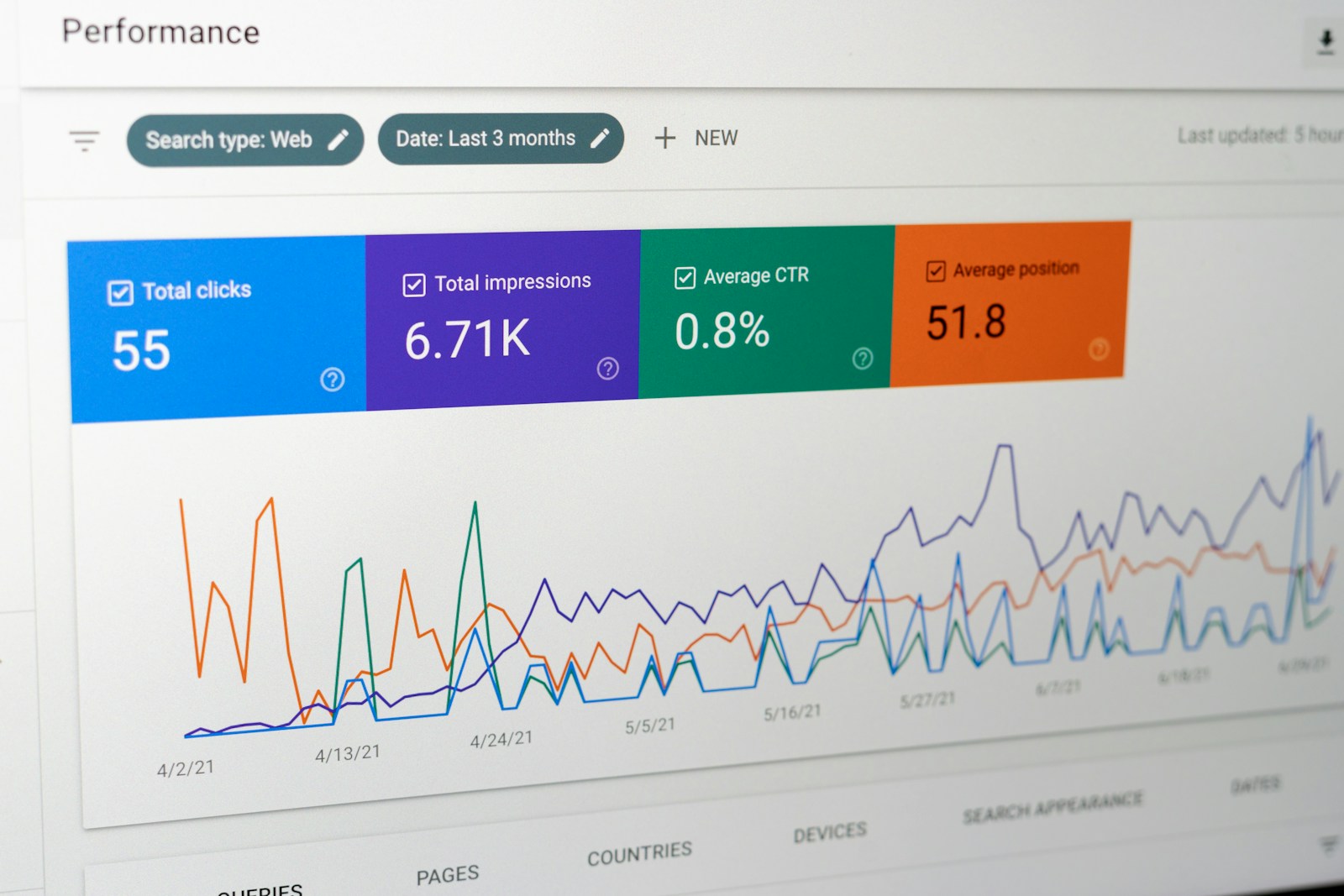
Framer sites are hosted and optimised for you, so performance is largely handled by default. WordPress speed depends on your hosting, theme, plugins and images, and usually needs ongoing tuning. Whichever you choose, measure it with PageSpeed Insights and learn what the Core Web Vitals mean. Our plain-English Core Web Vitals guide is a good starting point.
Editing and content management
Both let your team update content without code. Framer's editor is visual and quick to learn, and its CMS handles blogs and structured content well for typical marketing sites. WordPress is familiar, with a huge ecosystem, and often stronger for large publishers, complex membership features or sites with many authors and workflows.
Maintenance and security
Framer handles hosting, updates and SSL. WordPress needs regular core, theme and plugin updates, backups and security monitoring, and outdated plugins are a common cause of hacked sites. You can pay a host or agency to manage this, but it is an ongoing cost and responsibility.
SEO and accessibility
Neither platform guarantees rankings. What matters is page structure, content, speed and technical setup, and both can do the job well. We explain the checks in is Framer good for SEO. For accessibility, build to the WCAG guidelines on either platform, as the platform alone will not make a site compliant.
Cost and flexibility
WordPress software is free, but you pay for hosting, premium themes or plugins, maintenance and often more development time. Framer has a platform subscription and usually less ongoing maintenance, though very custom backend features, large membership systems or deep integrations may be easier in WordPress. Consider all running costs, not just the build.
Which should you choose?
Framer is typically a strong fit if you:
Want a distinctive, design-led marketing site
Prefer low maintenance and built-in hosting
Have a modest content structure and a small editing team
WordPress may suit you better if you need a very large content library, bespoke plugins, complex user accounts or have an in-house team already skilled in it. If you are leaning towards moving, our WordPress to Framer migration checklist covers how to protect traffic, and our comparison of Framer and Webflow looks at another popular option.


The Verdict
There is no universal winner. Choose by what your site must do, who will look after it and what you want to spend over its whole life, not just at launch. Be honest about your content needs and your appetite for maintenance. If you want a straight opinion on your situation, explore our Framer web design service or get in touch.

In other news
(TT® — LDN, UK)
©2026 the think


FAQ
01
What does a project look like?
02
What are your payment terms?
03
How much does a project cost?
04
How long do projects typically take?
05
How do we measure success?
06
What do we need to get started?
07
Will we be able to manage the site ourselves?
08
Why choose The Think over hiring in-house?
Oct 8, 2026
Framer vs WordPress: Which Is Better for Your Business Website?
Web Design
Guides
Recent
The Question
Should your next business website be built in Framer or WordPress?
The Comparison
Choose the platform that fits how you work
These are two very different ways to build a website. WordPress is open-source software you host and extend with themes and plugins. Framer is a visual design and publishing platform that includes hosting. Here is how they compare on the points that usually decide it.
Design freedom
Framer lets designers build what they designed, with layout, interaction and responsive behaviour handled visually. That suits brand-led sites where polish matters. WordPress can match it, but typically through a theme or page builder plus custom development, which can add time and cost. If you have a strong identity and want it to carry through, see how our Framer web design approach works.
Speed and performance
Framer sites are hosted and optimised for you, so performance is largely handled by default. WordPress speed depends on your hosting, theme, plugins and images, and usually needs ongoing tuning. Whichever you choose, measure it with PageSpeed Insights and learn what the Core Web Vitals mean. Our plain-English Core Web Vitals guide is a good starting point.
Editing and content management
Both let your team update content without code. Framer's editor is visual and quick to learn, and its CMS handles blogs and structured content well for typical marketing sites. WordPress is familiar, with a huge ecosystem, and often stronger for large publishers, complex membership features or sites with many authors and workflows.
Maintenance and security
Framer handles hosting, updates and SSL. WordPress needs regular core, theme and plugin updates, backups and security monitoring, and outdated plugins are a common cause of hacked sites. You can pay a host or agency to manage this, but it is an ongoing cost and responsibility.
SEO and accessibility
Neither platform guarantees rankings. What matters is page structure, content, speed and technical setup, and both can do the job well. We explain the checks in is Framer good for SEO. For accessibility, build to the WCAG guidelines on either platform, as the platform alone will not make a site compliant.
Cost and flexibility
WordPress software is free, but you pay for hosting, premium themes or plugins, maintenance and often more development time. Framer has a platform subscription and usually less ongoing maintenance, though very custom backend features, large membership systems or deep integrations may be easier in WordPress. Consider all running costs, not just the build.
Which should you choose?
Framer is typically a strong fit if you:
Want a distinctive, design-led marketing site
Prefer low maintenance and built-in hosting
Have a modest content structure and a small editing team
WordPress may suit you better if you need a very large content library, bespoke plugins, complex user accounts or have an in-house team already skilled in it. If you are leaning towards moving, our WordPress to Framer migration checklist covers how to protect traffic, and our comparison of Framer and Webflow looks at another popular option.
The Verdict
There is no universal winner. Choose by what your site must do, who will look after it and what you want to spend over its whole life, not just at launch. Be honest about your content needs and your appetite for maintenance. If you want a straight opinion on your situation, explore our Framer web design service or get in touch.
In other news
(TT® — LDN, UK)
©2026 the think
FAQ
01
What does a project look like?
02
What are your payment terms?
03
How much does a project cost?
04
How long do projects typically take?
05
How do we measure success?
06
What do we need to get started?
07
Will we be able to manage the site ourselves?
08
Why choose The Think over hiring in-house?
Oct 8, 2026
Framer vs WordPress: Which Is Better for Your Business Website?
Web Design
Guides
Recent
The Question
Should your next business website be built in Framer or WordPress?
The Comparison
Choose the platform that fits how you work
These are two very different ways to build a website. WordPress is open-source software you host and extend with themes and plugins. Framer is a visual design and publishing platform that includes hosting. Here is how they compare on the points that usually decide it.
Design freedom
Framer lets designers build what they designed, with layout, interaction and responsive behaviour handled visually. That suits brand-led sites where polish matters. WordPress can match it, but typically through a theme or page builder plus custom development, which can add time and cost. If you have a strong identity and want it to carry through, see how our Framer web design approach works.
Speed and performance
Framer sites are hosted and optimised for you, so performance is largely handled by default. WordPress speed depends on your hosting, theme, plugins and images, and usually needs ongoing tuning. Whichever you choose, measure it with PageSpeed Insights and learn what the Core Web Vitals mean. Our plain-English Core Web Vitals guide is a good starting point.
Editing and content management
Both let your team update content without code. Framer's editor is visual and quick to learn, and its CMS handles blogs and structured content well for typical marketing sites. WordPress is familiar, with a huge ecosystem, and often stronger for large publishers, complex membership features or sites with many authors and workflows.
Maintenance and security
Framer handles hosting, updates and SSL. WordPress needs regular core, theme and plugin updates, backups and security monitoring, and outdated plugins are a common cause of hacked sites. You can pay a host or agency to manage this, but it is an ongoing cost and responsibility.
SEO and accessibility
Neither platform guarantees rankings. What matters is page structure, content, speed and technical setup, and both can do the job well. We explain the checks in is Framer good for SEO. For accessibility, build to the WCAG guidelines on either platform, as the platform alone will not make a site compliant.
Cost and flexibility
WordPress software is free, but you pay for hosting, premium themes or plugins, maintenance and often more development time. Framer has a platform subscription and usually less ongoing maintenance, though very custom backend features, large membership systems or deep integrations may be easier in WordPress. Consider all running costs, not just the build.
Which should you choose?
Framer is typically a strong fit if you:
Want a distinctive, design-led marketing site
Prefer low maintenance and built-in hosting
Have a modest content structure and a small editing team
WordPress may suit you better if you need a very large content library, bespoke plugins, complex user accounts or have an in-house team already skilled in it. If you are leaning towards moving, our WordPress to Framer migration checklist covers how to protect traffic, and our comparison of Framer and Webflow looks at another popular option.
The Verdict
There is no universal winner. Choose by what your site must do, who will look after it and what you want to spend over its whole life, not just at launch. Be honest about your content needs and your appetite for maintenance. If you want a straight opinion on your situation, explore our Framer web design service or get in touch.
FAQ
What does a project look like?
What are your payment terms?
How much does a project cost?
How long do projects typically take?
How do we measure success?
What do we need to get started?
Will we be able to manage the site ourselves?
Why choose The Think over hiring in-house?